
SOLAR BATTERY STORAGE SYSTEM
10KWh
Reliable Home Energy Storage
$3,999*
get a quote
Submit the form below, our expert will contact with you shortly!
10kWh Solar Battery
A 10kWh solar battery is a popular home energy storage option for Australian households that want to store excess solar energy, reduce grid reliance and use more of their solar power at night.
It offers more storage than a small entry-level battery, making it suitable for average homes, families with moderate evening electricity usage and properties that need basic backup support during short outages.
In this guide, we explain how a 10kWh solar battery works, what it can power, how much it costs in Australia, available battery rebate support and whether it is the right battery size for your home in 2026.
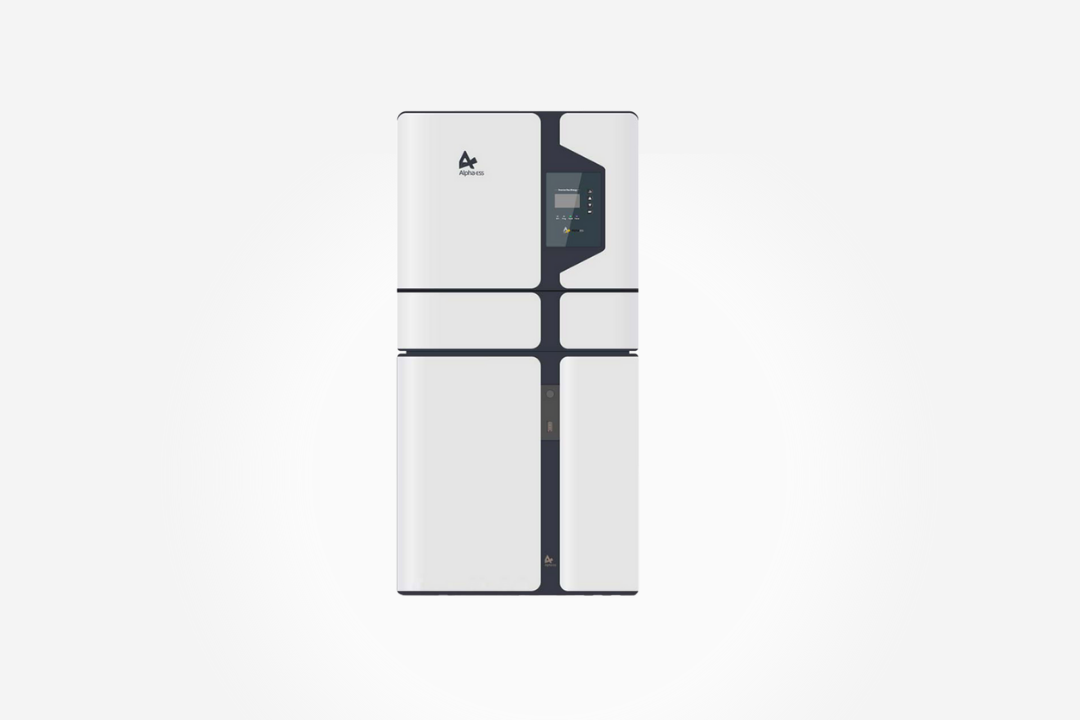
DISCOVER THE BEST SOLAR BATTERY FOR YOUR SOLAR SYSTEM
10KWh
Solar Battery
Best for small homes
$
3,999
*
Small Home
- Complete Energy Solution
- 24/7 Power Backup
- Seamless Integration
- High-Quality Energy Storage
20KWh
Solar Battery
Best for small & medium homes
$
5,799
*
Medium Home
- Complete Energy Solution
- 24/7 Power Backup
- Seamless Integration
- High-Quality Energy Storage
30KWh
Solar Battery
High-usages small & medium homes
$
6,499
*
Big Family Home
- Complete Energy Solution
- 24/7 Power Backup
- Seamless Integration
- High-Quality Energy Storage
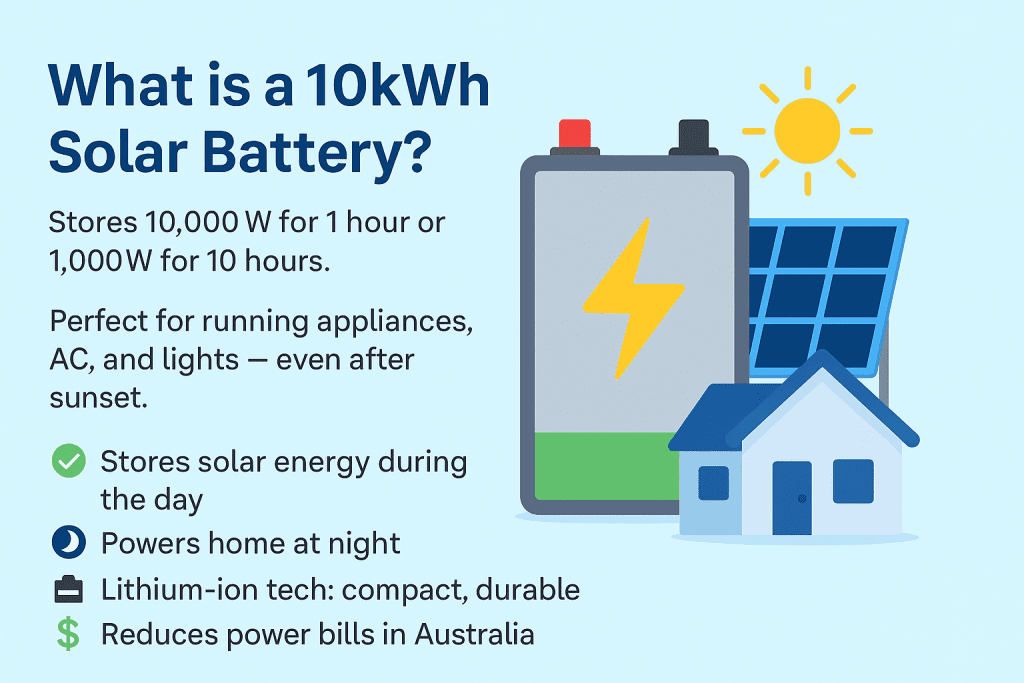
What is a 10kWh Solar Battery?
A 10kWh solar battery is a rechargeable energy storage system that can store up to 10 kilowatt-hours of electricity, usually from your solar panels. It stores excess solar energy during the day so you can use it at night, during peak electricity periods or during selected power outages.
In simple terms, a 10kWh battery can provide around 10,000 watts for one hour or 1,000 watts for about 10 hours, depending on appliance usage and system efficiency.
For Australian homes, a 10kWh battery can help reduce grid reliance, improve solar self-consumption and support better electricity savings.
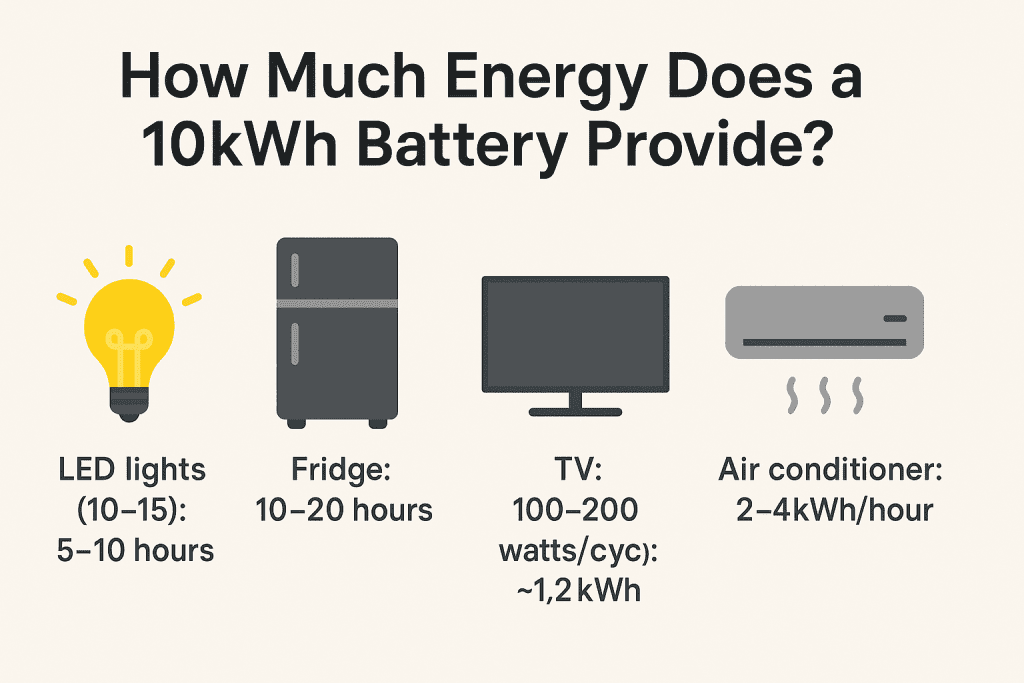
How Much Energy Does a 10kWh Battery Provide?
A 10kWh solar battery can run quite a bit — but exactly how much depends on what you’re powering. Here’s a simple idea:
- LED lights (10–15): 5–10 hours
- Fridge: 10–20 hours
- Washing machine (per cycle): ~1.2kWh
- TV: 100–200 watts/hour
- Air conditioner: 2–4kWh/hour
So, if you’re running essentials during a power outage — fridge, lights, a fan, maybe your internet and phone charging — a 10 kW battery could easily last through the night. For full-house usage, especially with heating or cooling, it might not last 24 hours, but it’ll definitely make a noticeable difference.
Average 10kWh Battery Backup Time by Load
The backup time of a 10kWh solar battery depends on how much electricity your home uses during the backup period. Lower essential loads can last longer, while larger appliances will drain the battery faster.
| Average Load | Estimated Backup Time |
|---|---|
| 1kW essential load | Up to 10 hours |
| 2kW light household load | Up to 5 hours |
| 3kW moderate load | Up to 3.3 hours |
| 5kW higher load | Up to 2 hours |
| 10kW heavy load | Up to 1 hour |
These backup times are estimates only. Actual performance may vary depending on usable battery capacity, inverter output, appliance usage, battery reserve settings and whether solar panels are charging the battery during the day.
What is Kilowatt-Hour (KWh)?
If you’re new to the world of solar and batteries, “kWh” might sound a bit technical. But it’s actually pretty straightforward. A kilowatt-hour (kWh) is just a measure of energy. It’s how much power you use over time. So if you run a 1,000-watt appliance (like a microwave) for one hour, you’ve used 1kWh.
That’s why when you see a “10kWh” battery, it means it can deliver 1,000 watts of power for 10 hours — or something more powerful for a shorter time. It’s not about how fast the battery delivers energy, but how much energy it can store and release over time.
How Many Kilowatt-Hours Do You Need?
Determining your home’s energy needs is the first crucial step. Every household is different. A typical family might use around 7–10kWh of electricity each evening for lighting, appliances, and small devices.
A 10kWh solar battery is well-suited for this level of usage. It can comfortably cover your night-time energy needs while reducing reliance on the grid. To be sure, check your past electricity bills to understand your typical evening consumption. Choosing the right battery size is important — it ensures you don’t overpay for unused capacity, keeping your solar battery cost efficient and aligned with your actual needs
Advantages of a 10KWh Solar Battery
- Energy savings – Lower electricity bills by using stored solar at night
- Backup power – Stay powered during grid outages
- Energy independence – Rely less on your energy retailer
- Supports sustainability – Makes better use of your solar investment
- Scalable – Can be added to or expanded in some systems
Plus, with solar feed-in tariffs getting lower in most Australian states, storing excess energy makes more financial sense than ever.
Disadvantages to Consider
- Limited storage – Not enough for large homes with heavy usage
- Battery degradation – All batteries lose capacity over time
- Not always worth it – Payback period can be longer if you’re a low energy user
You really need to weigh cost vs usage. If you’re home during the day and already use most of your solar directly, a battery may not give a fast return.
10kWh Solar Battery Technical Specifications
| Feature | Details |
|---|---|
| Battery Capacity | 10kWh |
| Usable Capacity | Around 9–10kWh, depending on battery model, depth of discharge and system settings |
| Best For | Average homes, moderate evening usage and basic backup needs |
| Common Inverter Size | Around 5–10kW, depending on system design |
| Battery Type | Usually lithium-ion or lithium iron phosphate, depending on the battery brand |
| Solar Compatibility | New or existing solar PV systems |
| Backup Support | Essential loads such as lights, Wi-Fi, fridge, TV, fans and selected appliances |
| Typical Use | Night-time energy use, peak-rate savings, backup support and improved solar self-consumption |
| Installation Type | Installed by a qualified solar battery installer |
| Warranty | Usually around 10 years, depending on brand and model |
10kWh Solar Battery: Price Guide for Australia
A 10kWh solar battery in Australia can be a smart choice for homeowners who want to store more solar energy, reduce grid reliance and use stored power during the evening, peak electricity periods or selected outages.
The cost of a 10kWh battery system typically starts from around A$4,099, depending on the battery brand, model, system configuration, location, GST and available rebates or incentives.
At Aussie Solar Tech, we can help you compare suitable 10kWh solar battery options and provide a personalised quote based on your home, solar system and energy usage.
Federal Battery Rebate for 10kWh Solar Batteries
A 10kWh solar battery may be eligible for the Australian Government’s Cheaper Home Batteries Program if it meets the approved battery, solar connection and installer requirements.
Federal Battery Rebate Capacity Tiers
| Usable Battery Capacity | STC Support |
|---|---|
| First 0–14kWh | 100% STC factor |
| Above 14–28kWh | 60% STC factor |
| Above 28–50kWh | 15% STC factor |
| Above 50kWh | No STC support |
Because a 10kWh battery falls within the first 0–14kWh tier, it may receive the highest STC support if the system is eligible. The final rebate amount depends on usable battery capacity, installation date, STC value, battery eligibility and installation requirements.
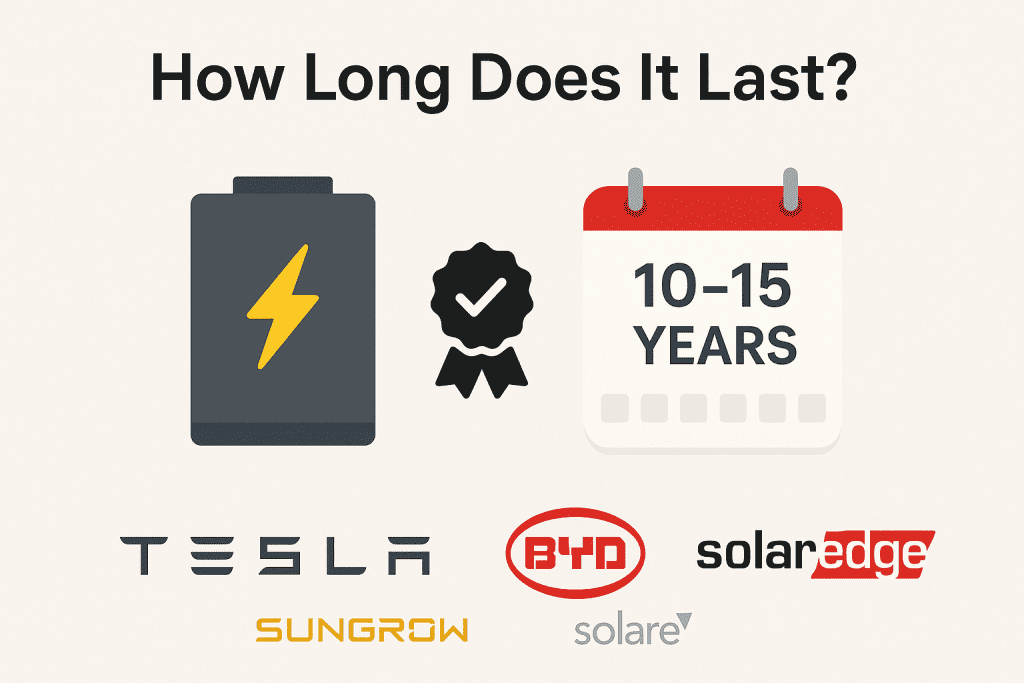
How Long Does It Last? (Lifespan & Warranty)
Most 10kWh solar batteries last between 10 to 15 years, depending on usage and environment. They come with warranties that typically guarantee 70–80% capacity after 10 years or a certain number of cycles (like 6,000–10,000).
Brands like Tesla Powerwall, Sungrow, BYD, and SolarEdge offer solid options with good support in Australia.
How Long Is the Payback Period for a 10kWh Solar Battery?
The payback period of a 10kWh solar battery depends on your electricity usage, solar generation, battery cost, available rebates and how much stored solar energy you use at night.
In simple terms, payback is the time it takes for your electricity bill savings to match the cost of the battery. Homes that use more electricity in the evening often get better value from a 10kWh battery because more stored solar energy is used instead of buying power from the grid.
For many Australian homes, the payback period can vary depending on location, electricity rates, rebate eligibility and whether the battery is connected to a Virtual Power Plant (VPP) program.
A 10kWh battery may offer a faster return if:
- You use a lot of power after sunset
- Your solar system produces excess energy during the day
- Your electricity rates are high during peak periods
- You are eligible for battery rebates or VPP credits
The best way to estimate payback is to compare your daily energy usage, solar export, electricity rates and available incentives.
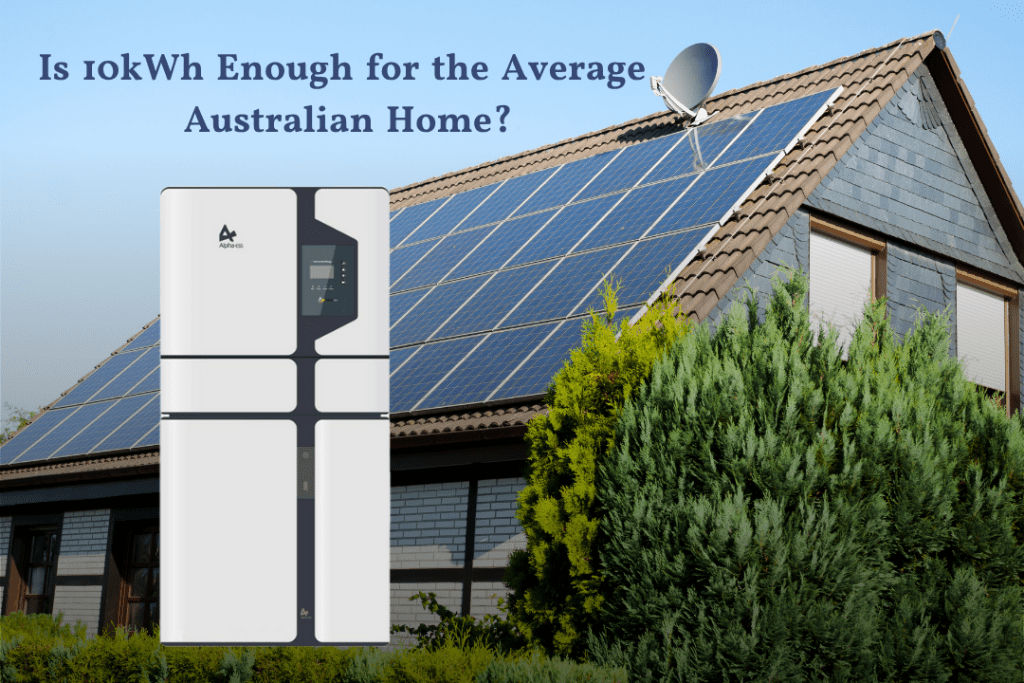
Is a 10kWh Solar Battery Enough for the Average Australian Home?
For many Australian homes, a 10kWh solar battery can be a practical size for storing excess solar energy and using it at night or during peak electricity periods.
A typical household may use around 15–25kWh of electricity per day, depending on location, appliances and lifestyle. A 10kWh battery will not usually power an entire home for a full day, but it can help cover evening and overnight essentials such as lights, Wi-Fi, fridge, TV, fans and selected appliances. If your home has high energy usage, ducted air conditioning, EV charging or pool pumps, you may need a larger battery such as 13.5kWh, 15kWh or more.
Frequently Asked Questions
Can a 10kW battery power a whole house?
Only if your energy needs are light or highly efficient. For larger households, it may not last a full day but will handle night-time needs comfortably.
How much does a 10kWh battery cost?
The price starts from around A$4,099, plus installation costs, depending on the brand and your system setup.
Will a 10kW solar battery save on bills?
Yes — it stores excess solar energy for night use, improving the value of your solar battery system.
Is a 10kWh battery enough for a house?
For most average Aussie homes, a 10kWh battery can cover daily electricity needs, especially in the evenings and at night. Larger homes or households with high energy usage may need bigger capacity.
What happens to solar power when batteries are full?
Excess solar energy is usually exported back to the grid, or used instantly by your home if appliances are running. Some systems may allow diversion to smart devices or hot water systems.
How long will a 10kW solar battery last?
Typically 10–15 years, depending on usage, cycles, and maintenance.
Can I add a second battery later?
Yes — many systems are modular. Just check your inverter supports expansion.
WE INSTALL CEC APPROVED POPULAR SOLAR BATTERIES IN AUSTRALIA






- Tesla Powerwall
Great for storing solar energy at home because it is very efficient and lasts a long time.
- Sungrow Battery
Works well and is affordable. It can be used in homes and businesses.
- Sigenergy Battery
A dependable storage option that focuses on being eco-friendly and simple to use.
- SolarEdge Battery
Works best with SolarEdge inverters and gives you excellent monitoring and control.
- Growatt Battery
A small, affordable option that works well for homeowners looking to store solar energy efficiently.
- SAJ Battery
A reliable and budget-friendly battery that’s easy to install and ideal for home use.
