
SOLAR PV SYSTEM
6.6KW
Best For Small Homes
$3,999*
get a quote
Submit the form below, our expert will contact with you shortly!
6.6kW Solar System
A 6.6kW solar system is the most commonly installed residential solar system size across Australia. It offers the ideal balance between affordability, strong daily energy output, and fast return on investment — making it perfect for average Australian households.
At Aussie Solar Tech, we install 6.6kW solar systems across Sydney, Melbourne, Brisbane, Adelaide, Perth, and regional Australia, helping homeowners significantly reduce electricity bills while increasing property value.
$3,999
Average Cost (After Federal Rebate)
3 - 5 Years
Typical Payback Period
22 - 30 kWh
Daily Average Output
$40k+
Estimated Lifetime Savings
What Can a 6.6kW Solar System Actually Power?
A 6.6kW system produces, on average, around 20–27 kWh per day depending on location and season. That’s typically enough to cover:
- Fridge (24/7): 1–2 kWh/day
- Washing machine (1 cycle/day): ~1 kWh
- Dishwasher: 1–1.5 kWh
- TV (3–4 hrs): 0.5 kWh
- Lights & fans: 1–2 kWh
- Air conditioning (moderate use): 2–4 kWh/hour
That covers the bulk of a home’s daytime needs — pair it with a battery to extend coverage into the evening.

$3,999
Average Cost (After Federal Rebate)
3 - 5 Years
Typical Payback Period
22 - 30 kWh
Daily Average Output
$40k+
Estimated Lifetime Savings
6.6KW Solar System Price in Australia?
At Aussie Solar Tech, our fully installed 6.6kW solar system price is AUD $3,999 (after STC rebate)
This package includes:
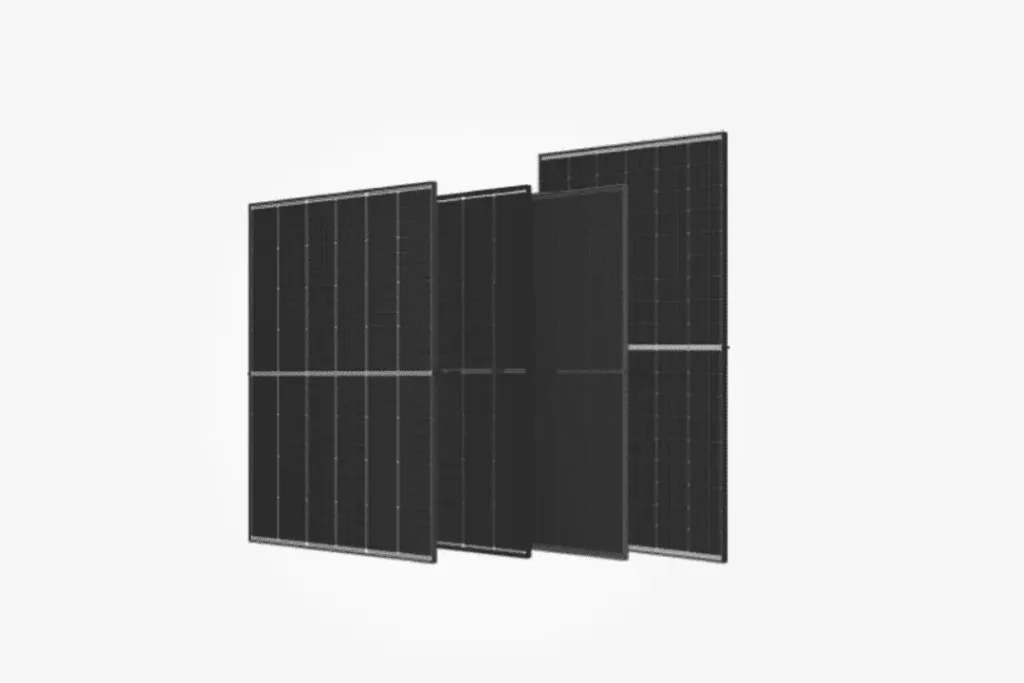
Tier 1 solar panels (high efficiency & CEC approved)
Standard 5kW inverter
Professional installation by SAA-accredited installers
Grid connection and compliance
System monitoring
This price is based on a standard single-storey home installation and includes the Australian Government STC incentive already applied. Final pricing may vary depending on roof type, switchboard upgrades, and location.
With electricity prices rising across Australia, a 6.6kW system at $3,999 delivers exceptional value and typically pays for itself within just a few years.
For an exact quote tailored to your postcode, contact Aussie Solar Tech today and secure your installation slot.
How Much Power Does a 6.6kW Solar System Produce?
A 6.6kW solar system in Australia produces between 24 and 32 kilowatt-hours (kWh) of electricity per day on average, depending on your location, roof orientation, shading, and the time of year.
6.6kW Solar System Daily Output by City
| City / Region | Peak Sun Hours | Est. Daily Output | Est. Annual Output | Ideal Orientation |
|---|---|---|---|---|
| Darwin, NT | 5.8 hrs | ~38 kWh/day | ~13,870 kWh/yr | North-facing |
| Brisbane, QLD | 5.2 hrs | ~34 kWh/day | ~12,410 kWh/yr | North-facing |
| Perth, WA | 5.0 hrs | ~33 kWh/day | ~12,045 kWh/yr | North-facing |
| Sydney, NSW | 4.8 hrs | ~32 kWh/day | ~11,680 kWh/yr | North-facing |
| Adelaide, SA | 4.7 hrs | ~31 kWh/day | ~11,315 kWh/yr | North-facing |
| Melbourne, VIC | 4.4 hrs | ~29 kWh/day | ~10,585 kWh/yr | North-facing |
| Hobart, TAS | 4.0 hrs | ~26 kWh/day | ~9,490 kWh/yr | North-facing |
| Canberra, ACT | 4.8 hrs | ~32 kWh/day | ~11,680 kWh/yr | North-facing |
Note: Output figures are estimates based on standard test conditions and average peak sun hours. Actual output may vary based on shading, roof pitch, panel tilt, and seasonal variation.
Is a 6.6kW System Enough for My Home?
The average Australian household consumes between 15 and 25 kWh per day. A 6.6kW solar system producing 26–38 kWh/day means most families will generate more electricity than they consume during daylight hours — dramatically reducing (and in some cases nearly eliminating) their electricity bills.
| Household Size | 6.6kW Suitability |
|---|---|
| 1–2 person household | System likely oversized — ideal if you have a pool, EV charger, or plan to add battery storage |
| 3–4 person household | Perfect match for typical daily consumption with surplus to export |
| 5–6 person household | Good coverage — heavy users may still draw some grid power in evenings |
| Small business / home office | Strong option — consider a 10kW system if energy use is very high |
6.6kW Solar System Payback Period & Savings (2026)
The payback period for a 6.6kW solar system in Australia depends on electricity usage patterns, solar self-consumption, feed-in tariffs, and local energy prices. With many providers now offering 6.6kW systems from around $3,999 after STC rebates, payback periods have become significantly shorter across most Australian cities.
| City | System Cost (after rebate) | Est. Annual Savings* | Payback Period | 25-Year Net Savings | Self-Consumption |
|---|---|---|---|---|---|
| Sydney, NSW | $3,999 | $1,400–$1,800 | 2.5–3.2 years | $31,000–$45,000 | 60–70% |
| Melbourne, VIC | $3,999 | $1,200–$1,600 | 2.8–3.5 years | $27,000–$41,000 | 60–70% |
| Brisbane, QLD | $3,999 | $1,500–$2,000 | 2–2.8 years | $33,000–$48,000 | 60–70% |
| Perth, WA | $3,999 | $1,600–$2,100 | 1.9–2.6 years | $35,000–$50,000 | 60–70% |
| Adelaide, SA | $3,999 | $1,700–$2,200 | 1.8–2.5 years | $37,000–$52,000 | 60–70% |
| Canberra, ACT | $3,999 | $1,300–$1,700 | 2.4–3.1 years | $29,000–$43,000 | 60–70% |
How Many Solar Panels Make Up a 6.6kW System?
The number of panels in a 6.6kW system depends on the wattage (power output) of the panels you choose. Modern solar panels range from 390W to 490W+ per panel. Higher-wattage panels mean fewer panels needed and less roof space required — but they typically cost more per panel.
Panel Wattage | Number of Panels | Roof Area Required | Panel Examples (2026) | Typical Panel Tier |
390W | 17 panels | 28.9 m² | Trina Vertex S, Canadian | Budget / Mid-range |
420W | 16 panels | 27.2 m² | Jinko Tiger Neo, LONGi Hi-MO | Mid-range |
445W | 15 panels | 25.5 m² | REC Alpha, JA Deep Blue | Mid-premium |
475W | 14 panels | 23.8 m² | AIKO Neostar, Trina NEG9R.28 | Premium |
490W+ | 13–14 panels | 22.1–23.8 m² | SunPower Maxeon 7, AIKO 510W | Ultra-premium |
Which Battery Size Best Suits a 6.6kW System?
For most Australian households with a 6.6kW solar system, a 10–13.5 kWh battery is the optimal size. This stores approximately half of a typical day’s solar generation, enough to power evening usage without paying peak grid rates. A Tesla Powerwall 3 (13.5 kWh) or Sungrow SBR130 (13 kWh) are both well-matched to a 6.6kW system and qualify for the federal rebate.
Families with an EV should consider 15–20 kWh battery capacity to enable overnight EV charging from stored solar rather than grid electricity.
FAQ
A quality 6.6kW solar system costs $3,999 fully installed after the federal STC rebate in 2026.
A 6.6kW system typically consists of 16-20 panels depending on panel wattage. Using modern 445W panels, you need 15 panels covering approximately 25.5 m² of roof. Using 475W premium panels (such as AIKO Neostar), you need only 14 panels across 23.8 m². Higher wattage panels are ideal for rooftops with limited unshaded space.
Daily output varies by location. In Sydney: approximately 25.7 kWh/day. In Melbourne: approximately 23.8 kWh/day. In Brisbane: approximately 27.7 kWh/day. In Perth: approximately 29.0 kWh/day. In Adelaide: approximately 27.7 kWh/day. These are annual averages — output is higher in summer and lower in winter.
The realistic payback period for a quality 6.6kW solar system is 4–7 years depending on your location, electricity usage, and self-consumption rate. Perth and Adelaide deliver the fastest payback (3.8–5.5 years) due to high sun hours and electricity rates. Melbourne and Canberra typically see 5–7 year payback periods. After payback, the system generates free electricity for 18–21 additional years.
The CEC’s 133% oversizing rule allows up to 6.65kW of panels on a 5kW inverter — which is why 6.6kW is the maximum panel capacity for a standard 5kW inverter system. Using a 5kW inverter also keeps the system within the single-phase export limit set by most Australian network operators. The oversizing is safe, legal, CEC-approved, and actually improves year-round energy production.
Why Choose Aussie Solar Installation?
Our team helps you select the perfect system tailored to your energy needs, roof size, and budget. We focus on honest, informative service—not high-pressure sales.
Reduced Electricity Bills
Prices for electricity in Australia keep going up. With a commercial solar system, you can save up to 70% on monthly utility costs.
Premium Products
We install top-tier solar panels and inverters from leading global brands, built to withstand Australian weather with comprehensive warranties.
Brand Sustainability
Going solar makes your brand look better when it addresses the environment, attracting customers who want to use clean energy.
Energy Independence
Solar energy makes you less reliant on the grid, protecting your business from unexpected blackouts and rate hikes.
Expert Local Installers
Our SAA-certified, in-house teams work across NSW, handling everything from permits to final inspection with care.
Unmatched 24/7 Support
As a comprehensive provider, we offer continuous help, support, and maintenance throughout the entire lifespan of your system.
