
SOLAR PV SYSTEM
13KW
Best For Larger Homes
$6,999*
get a quote
Submit the form below, our expert will contact with you shortly!
13kW Solar System
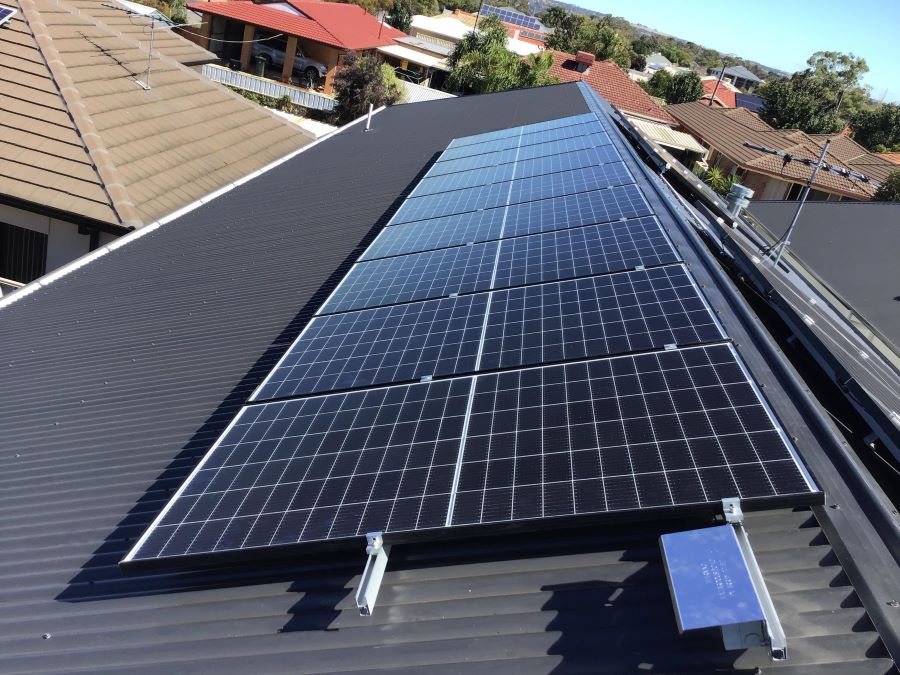
A 13kW solar system (typically 13.2kW when using standard panel configurations) represents the maximum residential solar capacity allowed in most Australian distribution networks without special approval or commercial connection requirements. Perfect for very large homes, properties with multiple electric vehicles, all-electric households with high consumption, or homes planning substantial battery storage systems, 13kW delivers maximum self-sufficiency and energy independence.
At Aussie Solar Tech, we’ve installed hundreds of 13kW+ solar systems across executive homes and high-consumption residential properties throughout Australia.
$6,999
Installed price (after STC rebate)
44–68
2.5–5 yrs
$80k+
What Is a 13kW Solar System?
A 13kW solar system (most commonly configured as 13.2kW using standard panel arrays) consists of approximately 30–34 solar panels connected to a 13kW three-phase inverter or multiple inverter configuration. The system generates around 52–72 kWh of electricity per day depending on location — enough to power even the highest-consumption Australian homes.
A lot of homeowners across Australia are now exploring solar beyond the typical 6.6KW or 10KW sizes. That’s where 13KW starts becoming a solid option, especially with battery storage getting more affordable.Let’s break it all down and see whether it’s the right fit for your roof — and your wallet.
Why 13kW is increasingly popular in Australia
As Australian households electrify — replacing gas heating with heat pumps, adding EV chargers, and running ducted air conditioning — daily electricity consumption is climbing from 20–25 kWh to 40–55 kWh. A 13kW system is purpose-built for this higher-consumption reality, generating enough solar to cover electrified households during daylight hours without over-investing in panels.
Discover The Best Solar Panel System For Your Home And Business
6.6KW
Solar System
Just right for most family homes
$
3,999
*
Small Home
- Tier 1 Solar Module
- 5kW Power Inverter
- 6,600w Tier 1 Panels
- High Efficiency Solar Module
10KW
Solar System
Medium homes and small business
$
5,599
*
Medium Home
- Tier 1 Solar Module
- 8kW Power Inverter
- 10,300w Tier 1 Panels
- High Efficiency Solar Module
13KW
Solar System
Larger homes and small businesses
$
6,999
*
Big Family Home
- Tier 1 Solar Module
- 10kW Power Inverter
- 13,200w Tier 1 Panels
- High Efficiency Solar Module
30KW
Solar System
small offices and retail stores
$
12,599
*
Big Family Home
- Tier 1 Solar Module
- 30kW Power Inverter
- 30,000w Tier 1 Panels
- High Efficiency Solar Module
40KW
Solar System
Best for large shops and clinics
$
16,599
*
Medium Industrial
- Tier 1 Solar Module
- 40kW Power Inverter
- 40,000w Tier 1 Panels
- High Efficiency Solar Module
50KW
Solar System
warehouses and mid-size business
$
19,599
*
Huge Commercial
- Tier 1 Solar Module
- 50kW Power Inverter
- 50,000w Tier 1 Panels
- High Efficiency Solar Module
*Performance data is based on CEC guidelines and may differ depending on your location. For personalized advice on your solar requirements and potential savings, please consult with an Aussie Solar Installation expert.
13kW vs 10kW — Which Is Right for You?
The 10kW and 13kW are the two most compared residential system sizes in Australia. The right choice comes down to your current and future electricity consumption. Here’s a direct comparison to help you decide.
10kW System
- Generates 34–52 kWh/day
- Suits households using 25–35 kWh/day
- 25–28 panels, ~43m² roof space
- Often fits single-phase connections
- Lower upfront investment
- Ideal for 3–4 person households
13kW System
- Generates 44–68 kWh/day
- Suits households using 35–55 kWh/day
- 29–34 panels, ~50–58m² roof space
- Usually requires three-phase power
- ~$12,00 more than 10kW
- Ideal for EV, pool, or ducted AC homes
How Much Power Does a 13KW System Generate in Australia?
A 13kW system produces 52–72 kWh per day depending on location — enough to power even very high-consumption households entirely.
Daily Output by Australian City
| City | Peak Sun | Daily Output | Annual Output | Orientation |
|---|---|---|---|---|
| Darwin, NT | 5.8 hrs | ~75 kWh/day | ~27,375 kWh/yr | North |
| Brisbane, QLD | 5.2 hrs | ~68 kWh/day | ~24,820 kWh/yr | North |
| Perth, WA | 5.0 hrs | ~65 kWh/day | ~23,725 kWh/yr | North |
| Sydney, NSW | 4.8 hrs | ~62 kWh/day | ~22,630 kWh/yr | North |
| Melbourne, VIC | 4.4 hrs | ~57 kWh/day | ~20,805 kWh/yr | North |
| Adelaide, SA | 4.7 hrs | ~61 kWh/day | ~22,265 kWh/yr | North |
| Hobart, TAS | 4.0 hrs | ~52 kWh/day | ~18,980 kWh/yr | North |
13KW Solar System Price in Australia
At Aussie Solar Tech, our fully installed 13kW solar system price is AUD $6,999 (after STC rebate).
This package includes:
- Tier 1 solar panels (high efficiency & CEC approved)
- Premium 10–13kW inverter suitable for larger residential systems
- Professional installation by SAA-accredited installers
- Grid connection and full compliance certification
- Smart system monitoring for real-time performance tracking
This price is based on a standard single-storey home installation and includes the Australian Government STC incentive already applied. Final pricing may vary depending on roof design, switchboard upgrades, cable runs, and installation location.
With electricity prices continuing to rise across Australia, a 13kW solar system at $6,999 is an excellent investment for larger households with higher energy demands. It offers greater energy generation capacity, helping you maximize bill savings and increase long-term return on investment.
For a precise quote tailored to your postcode, contact Aussie Solar Tech today and secure your installation slot.
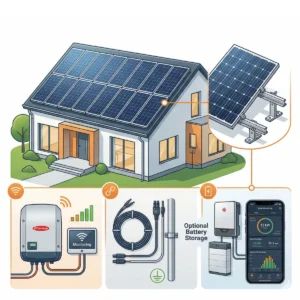
What Components Are Included in a 13KW Solar Setup?
You’re not just getting panels — there’s more that goes into a proper solar system.
30–34 solar panels (370W to 440W each)
1 × 10KW or 2 × 5KW inverters
Mounting rails and brackets
Cabling and electrical hardware
Optional: battery storage (can be added later)
Wi-Fi monitoring (many inverters now offer this)
Brands like Fronius, Sungrow, and GoodWe are popular inverter choices in this range.
Can You Go Fully Off-Grid with a 13kW System?
A 13kW solar system can generate a substantial amount of electricity, often enough to cover the daily energy needs of a large household. However, going fully off-grid requires more than just solar panels—you’ll also need a high-capacity battery storage system to store excess energy for nighttime and cloudy days. In most parts of Australia, a 13kW system paired with the right battery setup can significantly reduce reliance on the grid, but achieving complete energy independence depends on your energy usage patterns, location, and backup solutions. For many households, a hybrid system (solar + battery + grid connection) offers the best balance of reliability, cost, and energy security.
Three-Phase Requirements & DNSP Approval
All 13kW systems require three-phase power and formal DNSP approval. Most DNSPs treat 13kW as the maximum ‘standard’ residential capacity — larger systems may require commercial connection agreements.
Three-Phase Power (Required for 13kW)
A 13kW three-phase system distributes approximately 4.33kW per phase, which is within standard residential limits for most Australian DNSPs. Single-phase connections cannot support 13kW systems under any circumstances.
DNSP Approval Process for 13kW Systems
While 13kW is typically considered ‘standard residential,’ some DNSPs require more detailed applications compared to smaller systems:
- Standard approval (most DNSPs): 4–6 week processing for routine 13kW residential applications
- Enhanced review (some DNSPs): May require additional load flow analysis or network impact assessment
- Export limiting (network-dependent): Some DNSPs may require export limiting to 10kW during peak periods
- Meter upgrade: Most 13kW installations require smart meter upgrade (typically included in quote)
Aussie Solar Tech handles all DNSP applications and ensures your 13kW system meets local network requirements.
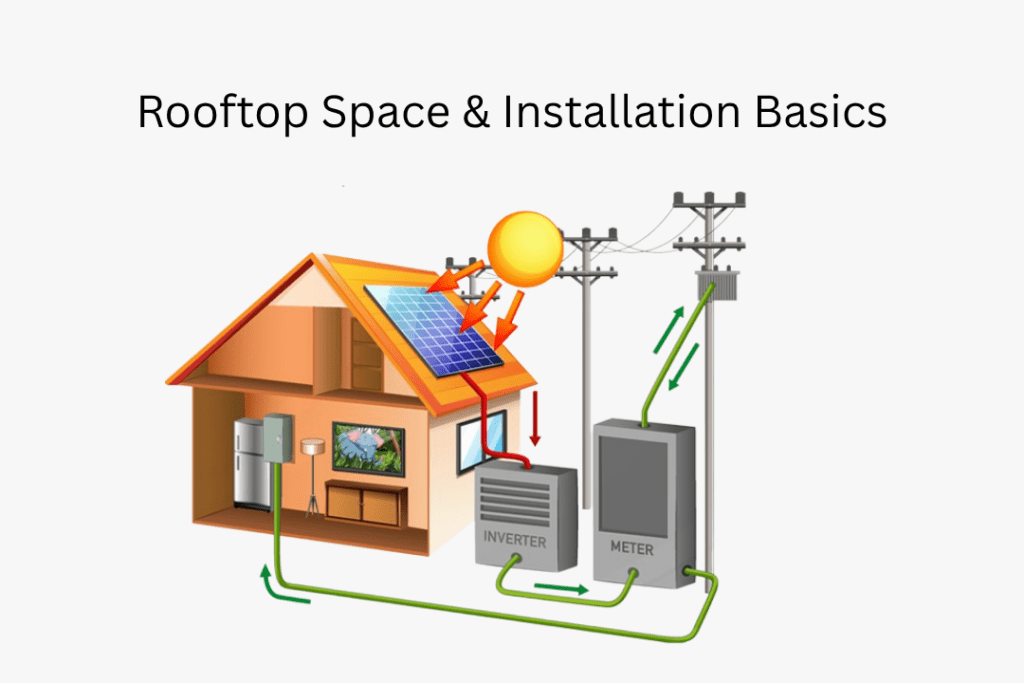
Rooftop Space and Installation Requirements
You’ll need a fair bit of roof space — around 60–75 square metres, depending on the wattage of each panel.
Few Things Installers Check:
Roof direction: North-facing is ideal in Australia
Shade levels: Trees, chimneys, nearby buildings
Roof pitch: Impacts how much sunlight you catch
Condition: If your roof is old or brittle, it might need reinforcing
Good installers will assess all this before quoting. Some even use aerial imagery to plan your panel layout.
Payback Period and ROI
13kW systems typically deliver 3–5 year payback for high-consumption households, with exceptional long-term value.
Annual Savings Estimates
| Scenario | Self-Use | Grid Rate | Fit | Annual Saving |
| Moderate daytime use | 30% | 28c/kWh | 8c/kWh | ~$3,500/yr |
| High daytime use | 50% | 30c/kWh | 6c/kWh | ~$5,200/yr |
| Very high use + 2 EVs | 70% | 32c/kWh | 5c/kWh | ~$6,800/yr |
| With 20kWh battery | 85%+ | 32c/kWh | N/A | ~$7,500/yr |
Example ROI Calculation (Sydney High-Usage Home)
All-electric Sydney home with 2 EVs:
- System cost: $14,000 (mid-range, after STC)
- Annual generation: 22,630 kWh
- Household consumption: 55 kWh/day (20,075 kWh/year)
- Self-consumption: 70% (high daytime use, EV charging, all-electric)
- Grid tariff: 32c/kWh, Feed-in: 5c/kWh
Annual savings calculation:
- Self-consumed: 15,841 kWh × $0.32 = $5,069
- Exported: 6,789 kWh × $0.05 = $339
- Total annual benefit: $5,408
Payback period: $14,000 ÷ $5,408 = 2.59 years
25-year total value: $270,000+ (accounting for electricity price increases)
Is Battery Storage Necessary with a 13KW System?
Not necessarily — but it’s becoming more common.
If you’re home during the day and can use solar as it’s being produced, a battery might not be urgent. But if most of your usage happens at night, or you want protection from blackouts, then a battery starts making sense.
Pros of Adding a Battery:
Use your solar at night
Reduce your grid reliance to near-zero
Can keep lights on during outages (depending on setup)
Common Battery Options:
| Battery Name | Capacity | Price (approx) |
|---|---|---|
| Tesla Powerwall 2 | 13.5 kWh | $11,700–$13,700 |
| Sungrow SBR | 9.6 – 19.2kWh | $8,000–$12,000 |
| BYD Battery Box | Modular | Varies |
Why Choose Aussie Solar Tech?
At Aussie Solar Tech we offer:
- Tier-1 solar panels
- SAA-approved inverters
- Custom system design
- Professional Australian installation
- Full rebate assistance
- Ongoing customer support
We engineer all systems for high output, life expectancy and financial yield. Call us now to get free solar evaluation and find out how much you can save with solar.
Why Choose Aussie Solar Installation For Solar Panels?

Reduced Electricity Bills
Prices for electricity in Australia keep going up. With a combination of a commercial solar system and your business, you can make your own power, which will save you a lot of money on your monthly bills. Many of our customers say they save up to 70% on their monthly utility costs.

Premium Products, Guaranteed Performance
We install top-tier solar panels, inverters, and battery systems from leading global brands. Our products are built to withstand Australian weather and deliver long-lasting performance, backed by comprehensive warranties.

Brand Image and Sustainability
Going solar not only saves you money, but it also makes your brand look better when it addresses the environment. Customers, along with additional stakeholders like businesses that want to use less energy and migrate to clean energy.

Energy Independence & Stability
Solar energy makes you less reliant on the grid, which protects your business from unexpected blackouts and rate hikes, making sure that everything runs smoothly all the time.

Expert Local Installers
We are Standards Australia Approvals (SAA)-certified, and in-house installation teams work across New South Wales. With years of local experience, we handle everything—from permits and grid connections to final inspection—with professionalism and care

Unmatched 24/7 Support
As a comprehensive solar provider, we offer continuous help, support, and maintenance throughout the entire lifespan of your system.
What's We Included In Your Solar Panel Installation?

Free Site Assessment And Energy Analysis
Custom System Design And Proposal
Supply Of High-Efficiency Solar Panels And Inverter

Professional Installation By SAA-Accredited Electricians

Assistance With Rebates And Incentive Claims

System Monitoring Setup And Customer Training

Industry-Leading Warranties
Ongoing Technical Support And Maintenance Options
We Install CEC Approved Popular Solar Panels In Australia








Known for industry-leading efficiency and premium build quality, SunPower panels use advanced Maxeon cell technology. They offer excellent degradation rates (very slow power loss over time), making them ideal for long-term residential and commercial installations where performance matters most.
A globally trusted brand, Trina Solar panels provide a strong balance between affordability and performance. They use multi-busbar and half-cut cell technology to improve efficiency and reduce power loss, making them a popular choice for budget-conscious users.
REC panels are known for their durability and high-quality manufacturing standards. With features like Heterojunction (HJT) and half-cut cells, they deliver excellent performance even in low-light conditions, backed by strong product and performance warranties.
LONGi is a leader in monocrystalline solar technology. Their panels are highly efficient and cost-effective, thanks to innovations like PERC (Passivated Emitter Rear Cell) technology. They are widely used in both residential and utility-scale solar projects.
AIKO focuses on next-generation solar technologies, including ABC (All Back Contact) cells, which improve efficiency and aesthetics. Their panels are designed for high energy output, making them a great option for maximizing rooftop space.
One of the largest solar manufacturers in the world, JinkoSolar offers reliable and cost-effective panels. Their Tiger series uses advanced technologies like N-type cells, providing better efficiency, lower degradation, and strong performance in extreme weather conditions.
Canadian Solar panels are known for their durability and ability to perform well in diverse climates. They offer a wide range of products, including high-efficiency modules with strong resistance to environmental stress like heat and humidity.
JA Solar combines cutting-edge technology with consistent performance. Their panels feature PERC and half-cell designs, improving efficiency and reliability. They are widely used in both residential rooftops and large-scale commercial installations.
