
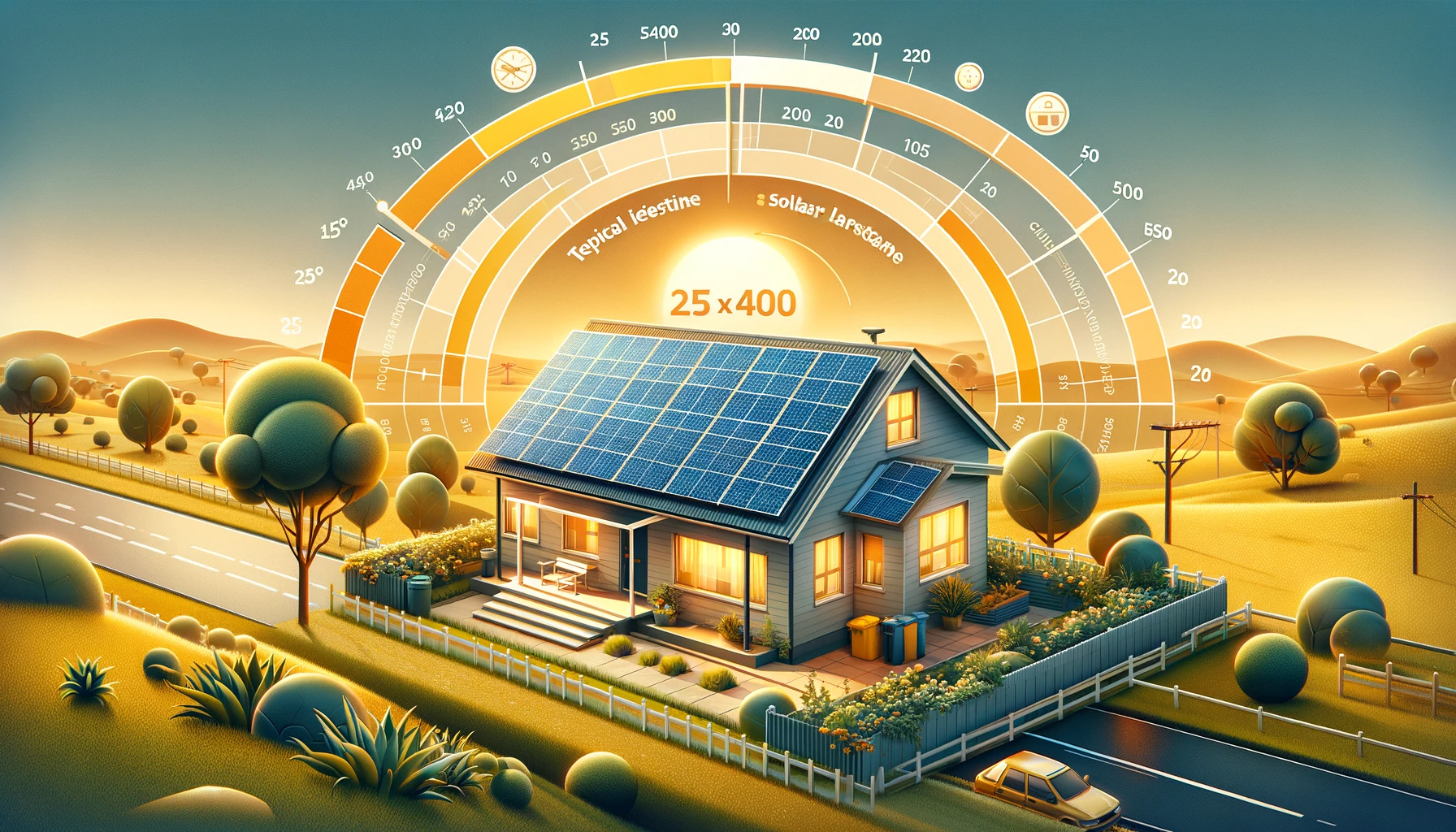
Solar panels are becoming a popular choice for sustainable energy in Australia due to their efficiency and the country’s high solar irradiance. A common question among potential users is, “How long do solar panels last?” Understanding the lifespan of solar panels is essential to maximizing the return on investment in solar technology.
In Australia, solar panels typically offer a functional lifespan of 25 to 30 years. However, several factors can affect their longevity and performance, which we will explore in this guide.
Key Factors Affecting Solar Panel Longevity in Australia
Environmental Influences
The Australian climate poses unique challenges to solar panels. Factors such as high UV levels, frequent temperature fluctuations, and exposure to salty coastal air can impact their durability. Panels must be robust to withstand these conditions without significant degradation.
Installation and Quality
The lifespan of solar panels also greatly depends on the quality of the installation and the materials used. Proper installation by certified professionals ensures that panels are correctly aligned, securely mounted, and optimally angled for maximum sunlight exposure.
Regular Maintenance
Regular maintenance is crucial for prolonging the life of solar panels. This section covers how simple upkeep routines can prevent efficiency losses and extend the lifespan of your installation.
Solar Panel Warranty Lengths
Because solar panels gradually lose efficiency over time, manufacturers provide warranties to give customers peace of mind. Generally, there are two main types of warranties you’ll come across:
-
Performance warranty – Typically 25 years, guaranteeing that your panels will still produce at least 80% of their original rated output by the end of that period.
-
Product warranty – Usually around 10 years, covering any faults or defects in the panel itself.
Out of these two, the product warranty is often the clearest indicator of a manufacturer’s confidence in the quality of their panels. Once this warranty expires, the chance of panel issues naturally increases. Leading solar brands now offer warranties of up to 25 years, which signals strong reliability and long-term performance.
Meanwhile, the performance warranty indicates the expected power output of your system throughout its lifetime. Thanks to advances in solar technology — such as stronger glass backsheets and better materials — modern panels can degrade at a slower rate. Some manufacturers have even begun offering 30-year performance warranties, providing homeowners with extra assurance that their investment will continue to pay off well into the future.
Global Comparison of Lifespan of Solar Panels
Australian solar panels are designed to be more durable compared to global standards due to the harsh local environment. This section compares the lifespan and efficiency of Australian solar panels to those in other countries, highlighting why Australia’s technology often leads in terms of quality and durability.
Comprehensive Maintenance Tips for Australian Conditions
Routine Inspections
Regular inspections can identify potential issues before they lead to significant damage or efficiency losses. This includes checking for cracks, ensuring frames are intact, and verifying that connections are secure.
Cleaning Protocols
Dust, debris, and bird droppings can obstruct sunlight and diminish the efficiency of solar panels. This part of the guide provides tips on how to clean solar panels safely and effectively, considering the specific environmental conditions in Australia.
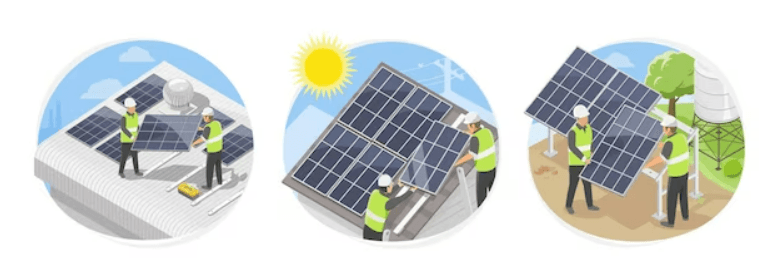
Advanced monitoring systems can track the performance of solar panels in real-time, alerting owners to any efficiency anomalies that could indicate potential problems. Timely repairs and adjustments can prevent minor issues from becoming major, thereby extending the panels’ operational life.
Technological Advancements in Solar Panel Design
Innovation in solar technology continues to evolve, with new materials and designs emerging that enhance the efficiency and lifespan of panels. This section explores the latest advancements, such as bifacial solar panels and improved photovoltaic cell technologies, which are particularly suited to Australian climates.
Analyzing the Cost-Benefit Over Time
This section provides a detailed analysis of the costs associated with purchasing, installing, and maintaining solar panels in Australia versus the long-term savings on energy bills. It includes a breakdown of potential government incentives and rebates available to Australian homeowners.
The Environmental Impact of Choosing Solar in Australia
Adopting solar technology significantly reduces reliance on fossil fuels, lowers greenhouse gas emissions, and contributes to a sustainable future. This final section explores the broader environmental implications of solar panels, underscoring the personal and global benefits of investing in renewable energy.
How Can You Make Your Solar Panels Last Longer in Australia?
When it comes to solar panels, longevity depends not only on the product itself but also on the brand, the installer, and the level of maintenance provided over time. Cheaper solar panels may appear attractive at first, but they often come with shorter product warranties. They can create headaches if the manufacturer lacks an Australian office or a clear warranty claim process in place. On the other hand, premium brands like SunPower, LG, and REC are recognized for their durability and long-term support, which can significantly impact the lifespan of your system.

Equally important is choosing a reputable, Clean Energy Council–accredited installer. Many issues that shorten panel life — such as poor wiring or incorrect mounting — are caused by bad installation rather than the panels themselves.
Here are a few simple steps you can take to extend your solar panel lifespan in Australia:
-
Get regular inspections: Even if everything appears to be fine, have your system inspected every 2–3 years by a qualified installer. This can detect loose wires, faulty inverters, or other issues before they cause more significant problems.
-
Keep your panels clean: In areas with little rainfall or high dust, panels can collect dirt, bird droppings, or leaves. A dirty panel not only reduces efficiency but can also create hot spots that speed up degradation. Professional cleaning every so often helps keep them running smoothly.
Conclusion
In Australia, understanding and optimizing the longevity of solar panels is key. This includes knowing the environmental factors that affect durability, practicing regular maintenance, and staying informed about technological advancements. By focusing on these aspects, Australians can maximize their investment in solar technology, ensuring cost efficiency and environmental benefits for years to come. Understanding the lifespan of solar panels is crucial for anyone interested in solar energy. FusionSolar provides innovative solutions that enhance the efficiency and longevity of solar panels, making solar energy more accessible and sustainable.

Shah Tarek is a Solar Energy Consultant with 10 years experience in solar system design and solar consultancy field at Australia. He is now a Director, Operation & Consultancy Division at Aussie Solar Tech, a leading Australian solar retailer and installer. Here he is writing informative and engaging solar content that educates the community on the benefits of solar power. His work supports Aussie Solar Tech’s mission to promote sustainable energy solutions and foster a greener future for Australia.





Seraphim Solar Panels Review: Efficiency, Reliability, and Value Unveiled

Talesun Solar Panels: Honest Review Before You Buy

Trina Vertex Solar Panels Review: Efficiency, Lifespan, and Performance

Sungrow Battery VS Tesla Powerwall : Which is Best in Australia?

Top 17 Solar Panel Brands in Australia 2025

Leapton Solar Panels Review: Affordable Energy Solution

REC Solar Panels Review: Outstanding Efficiency & Durability

Best Hybrid Inverters for Home Solar Systems in 2025
Best Solar Battery In Australia 2026 — Complete Guide

