
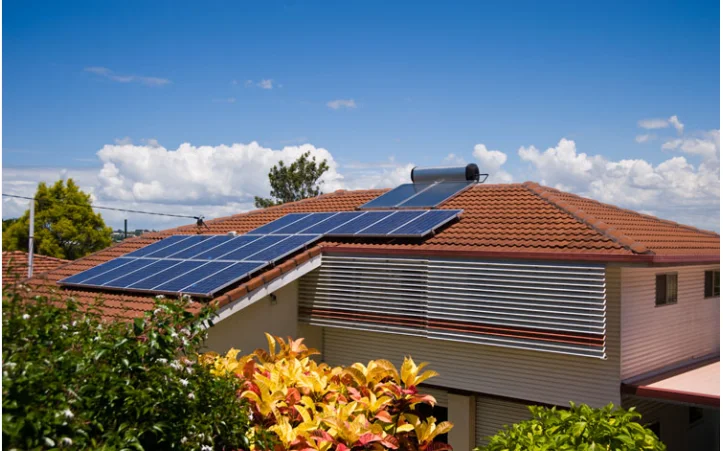
A solar hot water system harnesses sunlight to heat water for household use. It provides an eco-friendly alternative to traditional water heaters.
Embracing the power of renewable energy, solar hot water systems offer a cost-effective solution for reducing utility bills and decreasing carbon footprints. They typically comprise solar thermal panels, a storage tank, and a circulating pump, seamlessly integrating with existing plumbing.
Ideal for residential and commercial applications, these systems can significantly contribute to energy savings, especially in regions with abundant sunshine. The simplicity of their design promotes longevity and low maintenance demands, making them an attractive option for eco-conscious consumers aiming to combine sustainability with practicality in their daily lives. By incorporating this technology, users take a proactive step towards sustainable living without compromising on their comfort.
What’s a Solar Hot Water Heating System?
A solar hot water system is pretty simple when you break it down. It grabs sunlight and uses it to heat up water, kind of like how your car gets warm if it sits outside too long. You’ll usually see a couple of solar collector panels on the roof and then a big tank that stores the hot water. For a family of four, most people go with around two panels (roughly four square metres) and a tank that holds about 300 to 360 litres.
Now, here’s the thing – Aussie weather isn’t always blazing hot, so when there’s not enough sun or everyone’s lining up for long showers, a bigger tank can be handy. And if the sun really can’t do the job, you might notice a gas or electric booster kicking in to keep the water warm. Just keep in mind, these systems are only for heating water – they don’t make electricity.
How to Choose the Best Solar Hot Water System in Australia
When choosing the right solar hot water system for your home, there are a few important things to keep in mind. Picking the right setup isn’t just about slapping a panel on your roof—it’s about matching the system to your household’s needs, your climate, and how much hot water you use on a daily basis. From the type of system and the collectors to the storage tank and how heat is transferred, each part plays a role in making sure you get reliable hot water without wasting energy.
You might notice that a lot of Aussies focus on what works best for their family size and lifestyle, while also thinking about long-term savings and efficiency. Proper installation and regular maintenance can make a huge difference too, keeping everything running smoothly for years.
-
Type of Water Heating System – Your system could be a passive setup, like a batch or thermosyphon, or an active system with pumps. Some homes even go for hybrid setups. Knowing which type fits your household’s needs is the first step.
-
Solar Collectors – The heart of the system. You’ll need to decide between flat-plate collectors or evacuated tube collectors. Each has its own pros, and the r
-
Heat Transfer Method – How the system moves heat from the panels to the water tank matters. Direct circulation pumps water straight through, while indirect uses a fluid to transfer heat. Picking the right method keeps your water reliably warm, even on cooler days.
-
Water Storage Tank – The size and insulation of your tank are crucial. A properly sized tank makes sure everyone in the family gets their showers
-
Installation & Maintenance – Whether you opt for professional installation or a DIY setup, ensuring your system is installed correctly and maintained regularly is crucial for its efficient operation over the years. Simple upkeep, such as cleaning panels or checking for leaks, can make a significant difference.
Types Of Solar Hot Water Systems
Understanding the different types of solar hot water systems is essential for homeowners. These eco-friendly systems harness the sun’s power to heat water, resulting in energy savings and reduced utility bills. Let’s explore the main categories.
Passive Solar Water Heating Systems
Passive systems are typically more affordable than active ones. They do not use electric pumps or controllers. Instead, they rely on the natural circulation of water. There are two main types:
- Integral collector-storage (ICS) – Also known as batch systems, these are suitable for areas where temperatures rarely fall below freezing. They work by preheating water in a solar collector.
- Thermosyphon systems – These systems have collectors installed below the storage tank. Warm water rises into the tank while cooler water descends into collectors without mechanical assistance.
Active Solar Water Heating Systems
Active systems use pumps to move water. They can be more efficient and provide more consistent results. Active systems come into two primary varieties:
| System Type | Description | Considerations |
| Direct Circulation Systems | These pump water through solar collectors into the home. | Best in climates where it rarely freezes. |
| Indirect Circulation Systems | These circulate a non-freezing, heat-transfer fluid through collectors and a heat exchanger, which then heats the water. | Ideal for freezing conditions. |
Components Of A Solar Hot Water System
Embracing the power of the sun, a Solar Hot Water System harnesses solar energy to heat water, reducing energy bills and cutting down on carbon emissions. Key components work together seamlessly to collect, transfer, and store heat in a way that’s both efficient and eco-friendly. Let’s dive into what makes up these systems.

Solar Collectors
At the heart of a solar hot water system lies the solar collector. This crucial part captures the sun’s rays and converts them into heat. Two main types exist:
- Flat-Plate Collectors: Insulated, weatherproof boxes with a dark absorber plate under one or more glass or plastic covers.
- Evacuated Tube Collectors: Consist of rows of parallel, transparent glass tubes that absorb solar energy.
Each type plays a pivotal role in absorbing solar energy efficiently.
Heat Transfer System
The heat transfer system is essentially the circulatory system of a solar hot water setup. It moves the heat from collectors to the water tank. Two primary methods exist:
- Direct Circulation: Pumps circulate water through collectors, heating it directly by the sun.
- Indirect Circulation: Utilises a non-freezing heat-transfer fluid in collectors that then pass the heat to water in a storage tank via a heat exchanger.
This system ensures consistent heating even when outside temperatures drop.
Water Storage Tank
A solar hot water system isn’t just about the panels on your roof—it also depends heavily on choosing the right storage tank. In Australia, most families go for a well-insulated tank that can hold around 300 to 360 litres, which is usually enough for a household of four. The tank works a bit like a heat battery, storing up warmth so you don’t end up with a cold shower when the sun’s not shining. And if the weather doesn’t cooperate, a booster—either gas or electric—kicks in to make sure you’ve always got hot water ready. Insulation plays a key role here too: a good tank holds the heat for longer, meaning better efficiency and less energy wasted.
So, when you’re picking a system, don’t just think about size—the tank’s ability to store heat and work alongside a booster makes all the difference for comfort and running costs.

Installation And Maintenance
Welcome to the essential guide on the installation and maintenance of solar hot water systems. These systems harness the power of the sun to provide your home with hot water, reducing energy bills and your carbon footprint. Proper installation and regular maintenance are critical to optimizing performance over the life of your system. Let’s dive into the details.
Professional Installation Vs. Diy
Choosing between a professional or DIY installation is crucial.
| Professional Installation | DIY Installation |
| Guarantees expert setup | Possibly saves money |
| Ensures warranty remains valid | Requires technical knowledge |
| Minimizes risk of damage | May take longer to install |
Tips For Maintenance
Keep your system running smoothly with these maintenance tips:
- Regularly check for leaks or damage
- Ensure panels are clean and unobstructed
- Inspect insulation around pipes annually
- Flush the system to remove sediment
- Test pressure relief valves for safety
Yearly professional inspections can help prevent issues. They keep your system efficient.
Photovoltaic (PV) Panels for Water Heating
PV panels generate electricity by converting sunlight into electrical energy. This electricity can then be used to power a conventional electric water heater. While PV panels are more commonly associated with generating electricity for general household use, they can certainly be employed to heat water. The process involves:
- Electricity Generation: PV panels on your roof convert sunlight into electricity.
- Energy Conversion: This electricity is directed to an electric water heater.
- Heating Water: The electric water heater uses the solar-generated electricity to heat water stored in a tank, ready for use throughout the home.
This method allows for flexibility since the generated electricity can be used for various purposes, not just heating water. However, it may not be the most efficient use of solar energy, specifically for water heating.
Solar Thermal Panels for Water Heating
Solar thermal technology is designed specifically for heating water using solar energy. These systems are highly efficient at converting sunlight into heat and can be more cost-effective for water heating than PV panels. The process involves:
- Heat Collection: Solar thermal panels (also known as solar collectors) absorb sunlight and convert it into heat.
- Heat Transfer: A fluid, often water or a freeze-resistant fluid, circulates through the panels, absorbing the heat.
- Water Heating: This heated fluid then passes through a heat exchanger in a water storage tank, transferring the heat to the water inside.

Solar thermal systems can directly heat the water used in your home, making them an efficient option for those looking to reduce their reliance on traditional energy sources for water heating.
Considerations for Solar Water Heating
- Efficiency: Solar thermal systems are generally more efficient than PV systems for water heating, as they convert a larger percentage of solar energy into heat.
- Cost: The initial setup cost for solar water heating systems can be high, but they can lead to significant savings on energy bills over time. Incentives and rebates may be available to help offset the initial investment.
- Climate and Location: The effectiveness of solar water heating systems depends on your location and the amount of sunlight your property receives. However, even in areas with moderate sunlight, solar water heating can significantly reduce energy consumption.
- Space Requirements: Solar thermal systems typically require less space than PV systems to produce a comparable amount of energy for water heating.
In summary, both PV panels and solar thermal systems can be used to heat water, with each offering distinct advantages. Solar thermal systems are specifically designed for this purpose and are generally more efficient at water heating, while PV systems offer versatility in using the generated electricity for various needs, including water heating.
Cost And Savings
Thinking about a Solar Hot Water System for your home? Knowing the costs and savings can help make your decision easier. Let’s dive into what you’ll need to consider upfront and what you can expect to save in the long run.
Initial Cost Considerations
Investing in a Solar Hot Water System involves several key expenses. The total price can vary based on size, type, and extras. Here are the main factors:
- System components: Tanks and solar panels are the core parts.
- Installation: Professional setup is a smart choice.
- Permits: Local regulations may require permits.
The table below shows typical costs for different system sizes:
| System Size | Cost Range |
| Small (1-2 people) | $3,000 – $4,500 |
| Medium (3-4 people) | $4,500 – $6,000 |
| Large (5+ people) | $6,500 – $10,000 |
Long-term Savings Potential
You’ll enjoy savings for years with a Solar Hot Water System. Check out how:
- Lower utility bills: Sunlight is free, so you pay less each month.
- Government incentives: Rebates and tax credits can help offset costs.
- Increased home value: Eco-friendly upgrades attract buyers.
Imagine saving up to 80% on water heating. Over ten years, that adds up!
What Should You Do Next?
If you’re planning to install a brand-new solar system, this is the perfect time to also think about how you heat your water. Many solar installers these days can set you up with inverters that have built-in hot water diverter features, or they can add a separate diverter or energy management device alongside your panels. With these options in mind, you’ll be in a stronger position to compare quotes and decide what makes the most sense for your home.
On the other hand, if you already have solar panels and you’re simply wondering how to make better use of the extra energy they generate, sending that power to your hot water tank can be a smart move. It’s a practical way to lower your reliance on the grid while cutting down your energy bills. Having an idea of the different options available makes the conversation easier when you talk with installers or suppliers.
Frequently Asked Questions:
Is a Solar Hot Water System Worth It?
A solar hot water system can be cost-effective, significantly reducing your energy bills and carbon footprint, with a good return on investment over time.
What Are The Disadvantages Of Solar Water Heater?
Solar water heaters require significant upfront investment and may have limited efficiency on cloudy days. They typically need regular maintenance and have a slower heat recovery rate. Space constraints can also pose installation challenges for some households.
How Much Does A Solar Hot Water System Cost?
A solar hot water system typically costs between $2,000 and $7,000, installation included. Prices vary based on system size and type.
Do Solar Water Heaters Really Work?
Yes, solar water heaters effectively harness sunlight to heat water, reducing reliance on traditional energy sources and cutting utility costs. They work in various climates, especially with consistent sunlight exposure.
Can solar panel be used to heat water?
Yes, solar panels can indeed be used to heat water, offering an eco-friendly and cost-effective solution for residential and commercial properties alike. There are two primary methods to achieve this: using photovoltaic (PV) panels in conjunction with an electric water heating system, or through solar thermal systems designed specifically for heating water.
Conclusion
Embracing a solar hot water system provides both environmental and economic benefits. It reduces reliance on fossil fuels and slashes energy bills. This technology is a smart investment for a sustainable future. Make the switch today and enjoy the warmth of the sun in your home.
Ready to harness the sun’s power for your home? Contact us now to get started with a solar hot water system!

Shah Tarek is a Solar Energy Consultant with 10 years experience in solar system design and solar consultancy field at Australia. He is now a Director, Operation & Consultancy Division at Aussie Solar Tech, a leading Australian solar retailer and installer. Here he is writing informative and engaging solar content that educates the community on the benefits of solar power. His work supports Aussie Solar Tech’s mission to promote sustainable energy solutions and foster a greener future for Australia.









Seraphim Solar Panels Review: Efficiency, Reliability, and Value Unveiled

Talesun Solar Panels: Honest Review Before You Buy

Trina Vertex Solar Panels Review: Efficiency, Lifespan, and Performance

Sungrow Battery VS Tesla Powerwall : Which is Best in Australia?

Top 17 Solar Panel Brands in Australia 2025

Leapton Solar Panels Review: Affordable Energy Solution

REC Solar Panels Review: Outstanding Efficiency & Durability

Best Hybrid Inverters for Home Solar Systems in 2025
Best Solar Battery In Australia 2026 — Complete Guide

