

Australia leads the world in residential solar adoption, with over 3.6 million homes now powered by renewable energy solutions. As electricity prices continue rising and solar technology becomes more affordable, homeowners across the country are discovering the financial and environmental benefits of solar panels Australia offers. This comprehensive solar panels installation guide covers everything you need to know about residential solar installation, from initial costs to long-term savings.
Why Australian Homes Are Perfect for Solar Energy
Australia receives some of the highest solar radiation levels globally, making it ideal for solar power generation. The average Australian home can generate 15-20 kWh of electricity daily with a properly sized system, often producing more energy than needed during peak sunlight hours.

Key Benefits of Residential Solar Installation
Financial Savings: Most Australian households save between $1,000 and $2,500 annually on electricity bills after installing solar panels. With average system payback periods of 3-5 years, solar represents one of the best home investments available.
Energy Independence: Solar battery storage systems allow homeowners to store excess energy for evening use, reducing reliance on the grid by up to 80 percent. This protection against rising electricity costs provides long-term financial security.
Environmental Impact: A typical 6.6 kW residential system offsets approximately 7-10 tonnes of carbon emissions annually, equivalent to planting 150-200 trees each year.
Property Value Increase: Homes with solar installations sell faster and command premium prices, with studies showing value increases of 3-4 percent compared to non-solar properties.
Understanding Solar Panel System Components
Modern renewable energy solutions comprise several integrated components working together to convert sunlight into usable electricity for your home.
Solar Panels
Photovoltaic panels convert sunlight directly into DC electricity. Quality panels from manufacturers like LG, Trina Solar, and Canadian Solar offer 25-year performance warranties with efficiency ratings between 19-22 percent. Panel degradation typically remains under 0.5 percent annually, ensuring decades of reliable performance.
Inverters
Inverters convert DC electricity from panels into AC power for household use. String inverters suit most residential installations, while microinverters offer panel-level optimization for complex roof layouts or partial shading. Premium brands like Fronius, SolarEdge, and Enphase provide 10-25 year warranties.
Solar Battery Storage
Battery systems store excess solar generation for evening use, maximizing self-consumption and providing backup power during outages. Leading options include Tesla Powerwall, LG Chem RESU, and Sonnen batteries, with capacities ranging from 5-15 kWh for typical homes.
Mounting Systems
Quality mounting hardware ensures panels remain secure through extreme weather. Australian-engineered systems withstand cyclonic winds and meet stringent building codes across all climate zones.

Choosing the Right System Size for Your Home
Proper system sizing balances energy needs, roof space, and budget considerations. Undersized systems fail to maximize savings, while oversized installations waste money on unused capacity.
Calculating Your Energy Requirements
Review 12 months of electricity bills to determine average daily consumption. Most Australian homes use 15-25 kWh daily, though this varies significantly based on household size, appliances, and climate control needs.
Common Residential System Sizes
3-4 kW Systems: Suitable for small homes or apartments with daily consumption under 15 kWh. Generates approximately 12-16 kWh daily, costing $3,500-$5,500 after rebates.
5-6.6 kW Systems: The most popular choice for average Australian homes consuming 15-25 kWh daily. Produces 20-26 kWh daily, with installed costs of $4,500-$7,500 after incentives.
8-10 kW Systems: Ideal for larger homes, families with high consumption, or properties planning to add electric vehicles or pools. Generates 32-40 kWh daily, costing $7,000-$12,000 installed.
Roof Space Considerations
Standard 400W panels measure approximately 1.7 square meters each. A 6.6 kW system requires 16-17 panels, occupying roughly 28-30 square meters of north-facing roof space. East-west orientations work well for maximizing morning and afternoon generation.
Solar Panel Installation Costs in Australia
Understanding the complete cost structure helps homeowners budget effectively and compare quotes accurately.
Average Installation Costs by System Size
- 3 kW System: $3,500-$5,000 after rebates (pre-rebate: $5,500-$7,500)
- 5 kW System: $4,500-$6,500 after rebates (pre-rebate: $7,000-$9,500)
- 6.6 kW System: $5,500-$7,500 after rebates (pre-rebate: $8,500-$11,000)
- 10 kW System: $8,000-$12,000 after rebates (pre-rebate: $12,000-$17,000)
Factors Affecting Installation Costs
Panel Quality: Premium tier-1 panels cost 15-25 percent more than budget options but offer superior efficiency, warranties, and longevity. The additional investment typically pays back through better performance.
Roof Complexity: Multi-level roofs, tile replacements, or difficult access increase labor costs by $500-$2,000. Metal roofs generally cost less to install than tile roofs.
Inverter Selection: String inverters represent the most economical option, while microinverters or power optimizers add $1,000-$2,500 to system costs but improve performance in challenging conditions.
Location: Metropolitan areas typically offer more competitive pricing than regional locations due to higher installer competition and lower travel costs.
Government Incentives and Rebates
Federal and state programs significantly reduce upfront solar costs, making renewable energy solutions accessible to more Australian households.
Small-scale Technology Certificates (STCs)
The federal government provides STCs based on system size and location, reducing installation costs by $2,500-$4,500 for typical residential systems. Installers usually apply the discount at point of sale, eliminating paperwork for homeowners.
State-Based Solar Incentives
Victoria: Solar Homes Program offers rebates up to $1,400 for solar panels and $4,174 for battery storage, with interest-free loans available. (See More)
South Australia: Home Battery Scheme provides subsidies up to $3,000 for battery installations when combined with solar panels. (See more)
New South Wales: Empowering Homes Program offers interest-free loans up to $14,000 for solar and battery systems. (See More)
Queensland: Interest-free loans up to $5,000 available for solar and battery installations through the Affordable Energy Plan. (See more)
Feed-in Tariffs
Energy retailers pay homeowners for excess solar electricity exported to the grid. Rates vary by state and retailer, ranging from 5-12 cents per kWh. While lower than retail electricity prices, feed-in tariffs provide ongoing income from solar generation. (Learn more on Feed-in Tariffs)
Solar Battery Storage: Maximizing Your Investment
Battery systems transform solar panels from daytime generators into 24-hour power sources, dramatically increasing energy independence and savings.
Benefits of Adding Battery Storage
Increased Self-Consumption: Without batteries, households typically use only 30-40 percent of solar generation directly. Battery storage increases self-consumption to 70-90 percent, maximizing savings.
Backup Power: During grid outages, battery systems provide essential power for lighting, refrigeration, and communication devices. Premium systems offer whole-home backup capability.
Time-of-Use Optimization: Batteries allow strategic energy use, storing cheap solar power for expensive evening peak periods when grid electricity costs most.
Futureproofing: As electricity prices rise and feed-in tariffs decline, battery storage becomes increasingly valuable for protecting against energy cost inflation.
Popular Battery Storage Options
Tesla Powerwall 2: 13.5 kWh usable capacity, integrated inverter, 10-year warranty. Installed cost: $12,000-$15,000.
LG Chem RESU: Modular design, 6.5-16 kWh capacity options, 10-year warranty. Installed cost: $9,000-$16,000 depending on size.
Sonnen Batteries: Premium German engineering, 5-15 kWh capacity, 10-year warranty with 10,000 cycle guarantee. Installed cost: $11,000-$18,000.
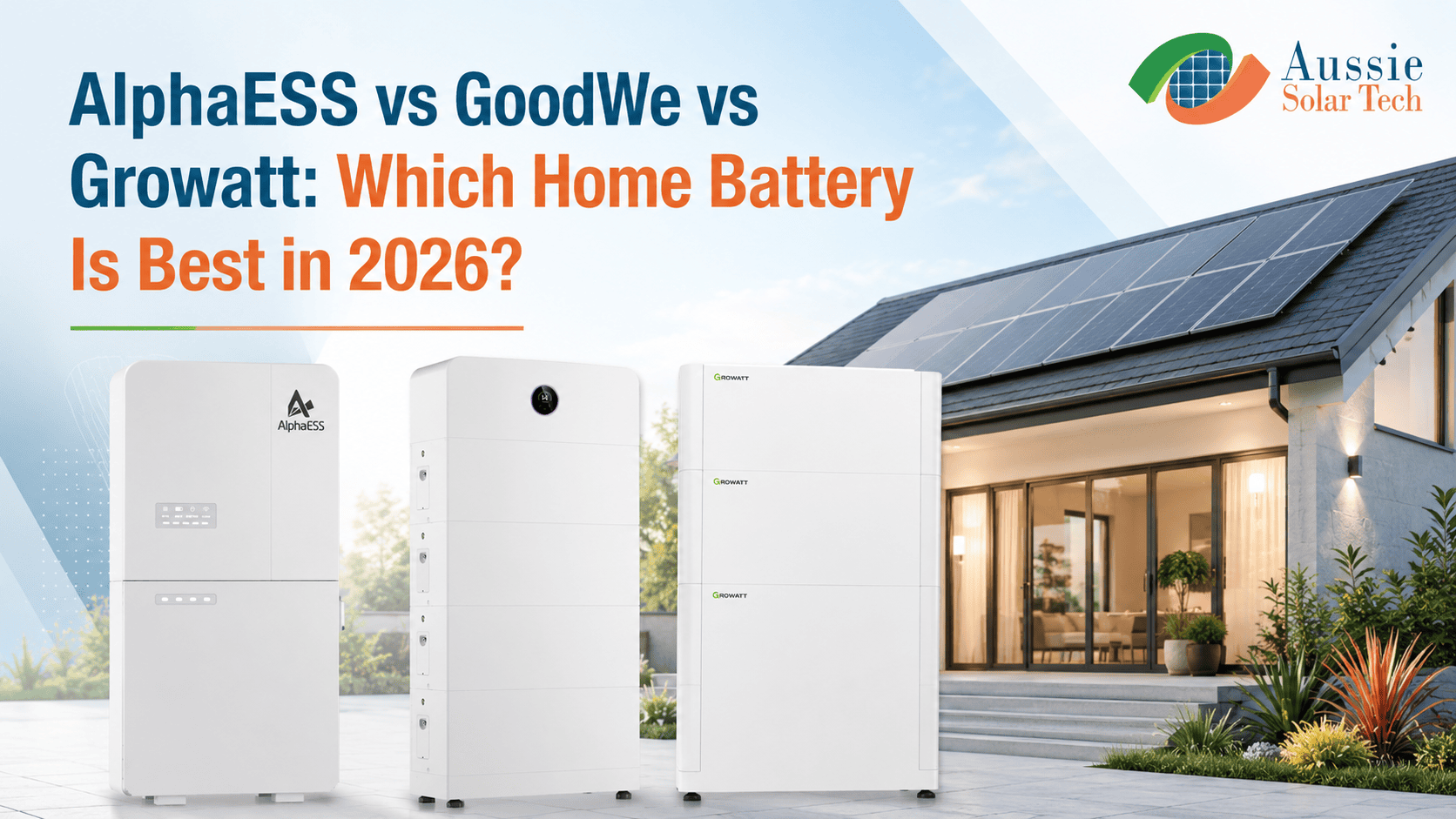
Alpha ESS: Cost-effective option, 5.7-13.3 kWh capacity, 10-year warranty. Installed cost: $8,000-$13,000.
The Residential Solar Installation Process
Understanding the installation timeline and process helps homeowners prepare and ensures smooth project completion.
Step-by-Step Installation Timeline
Week 1-2: Consultation and Design** Professional installers assess your property, review electricity usage, and design a customized system. Quality providers use satellite imagery and site visits to create accurate proposals.
Week 2-3: Approvals and Permits** Installers handle all paperwork, including network connection applications and local council approvals. This administrative phase typically takes 1-3 weeks depending on your location.
Week 4: Installation Day** Most residential installations complete in 4-8 hours. Crews mount panels, install inverters, run electrical connections, and conduct safety testing. Minimal disruption occurs to daily household activities.
Week 5-6: Grid Connection** After installation, your electricity distributor inspects and approves the system before activating grid connection. This final step takes 1-3 weeks in most areas.
What to Expect During Installation
Professional installers protect your property with drop sheets and safety barriers. They coordinate with you regarding power shutoffs, typically lasting 1-2 hours during final connections. Quality installers clean up thoroughly, removing all packaging and debris.
Choosing a Quality Solar Installer
Selecting the right installation company significantly impacts system performance, warranty support, and long-term satisfaction.
Essential Installer Qualifications
Clean Energy Council Accreditation: Only CEC-accredited installers can access government rebates. Verify current accreditation through the CEC website before signing contracts.
Electrical Licensing: All installers must hold appropriate electrical licenses for your state. Request license numbers and verify through state regulatory bodies.
Insurance Coverage: Reputable installers carry comprehensive public liability insurance (minimum $10 million) and workers compensation coverage protecting homeowners from liability.
Industry Experience: Established companies with 5+ years operation demonstrate stability and expertise. Check online reviews, testimonials, and completed installation numbers.
Red Flags to Avoid
Pressure Sales Tactics: Quality installers provide detailed information without high-pressure closing techniques. Avoid companies demanding immediate decisions or offering “today only” pricing.
Unusually Low Quotes: Quotes significantly below market rates often indicate inferior components, inexperienced installers, or hidden costs. Quality installations require fair pricing.
Poor Communication: Responsive communication during the sales process indicates service quality. Companies that are difficult to reach before installation will likely be worse afterward.
Limited Warranties: Reputable installers offer comprehensive workmanship warranties (5-10 years minimum) beyond manufacturer coverage. Short warranty periods suggest low confidence in installation quality.

Maintaining Your Solar Panel System
Proper maintenance ensures optimal performance and maximizes your renewable energy investment over decades of operation.
Regular Maintenance Requirements
Panel Cleaning: Most Australian locations require cleaning 1-2 times annually. Rain naturally cleans panels in many areas, but dust, bird droppings, and pollen reduce efficiency by 5-15 percent when accumulated.
System Monitoring: Modern inverters provide real-time performance monitoring through smartphone apps. Regular checks identify issues quickly, preventing extended downtime and lost generation.
Professional Inspections: Annual professional inspections verify electrical connections, mounting integrity, and component performance. Early problem detection prevents minor issues from becoming expensive repairs.
Vegetation Management: Trim trees and shrubs that cast shadows on panels. Even partial shading significantly reduces system output due to how solar cells connect electrically.
Common Issues and Solutions
Reduced Output: Sudden performance drops often indicate inverter faults, panel damage, or grid connection issues. Contact your installer immediately for diagnosis.
Inverter Errors: Error codes displayed on inverters usually indicate specific problems. Refer to manufacturer documentation or contact support for guidance.
Physical Damage: Hail, storms, or falling branches can crack panels. Most quality panels withstand 25mm hail, but severe weather occasionally causes damage covered by home insurance.
Maximizing Your Solar Investment
Strategic energy management multiplies solar savings beyond basic installation benefits.
Energy Usage Optimization
Shift Consumption to Daylight Hours: Run dishwashers, washing machines, and pool pumps during peak solar generation (10am-3pm) to maximize direct solar usage.
Smart Home Integration: Automated systems optimize appliance operation based on solar generation, weather forecasts, and electricity pricing.
Energy-Efficient Upgrades: LED lighting, efficient appliances, and improved insulation reduce overall consumption, allowing smaller solar systems to meet higher percentages of energy needs.
Future Expansion Considerations
EV Charging: Electric vehicles represent ideal solar loads, charging during the day when generation peaks. A 6.6 kW system easily supports daily EV charging for most drivers.
Heat Pumps: Solar-powered heat pump hot water systems eliminate gas bills while utilizing abundant daytime solar generation.
System Expansion: Most inverters support future panel additions up to their maximum capacity. Plan initial installations with expansion potential if budget constraints limit initial system size.
Environmental Impact and Sustainability
Beyond financial benefits, residential solar installation contributes significantly to Australia’s renewable energy transition and climate goals.
Carbon Emission Reductions
A typical 6.6 kW residential system offsets approximately 7-10 tonnes of CO2 annually, equivalent to:
- Planting 150-200 trees each year
- Removing 1.5 cars from roads permanently
- Avoiding 28,000 km of average car travel annually
Over a 25-year system lifespan, a single residential installation prevents 175-250 tonnes of carbon emissions, making solar one of the most impactful individual climate actions available.
Panel Recycling and End-of-Life
Modern solar panels contain valuable materials including silicon, glass, aluminum, and copper. Australian recycling programs recover 95 percent of panel materials, ensuring minimal environmental impact at end-of-life. The solar industry is developing comprehensive recycling infrastructure as first-generation panels reach retirement.
Solar Panels Australia: Industry Trends and Future Outlook
The Australian solar industry continues evolving rapidly, with exciting developments improving affordability, performance, and integration.
Emerging Technologies
Bifacial Panels: Generate electricity from both sides, capturing reflected light from roofs and ground surfaces for 10-20 percent additional output.
Perovskite Solar Cells: Next-generation technology promises higher efficiency and lower manufacturing costs, potentially revolutionizing solar economics within 5-10 years.
Vehicle-to-Grid Integration: Future EV batteries will support home power needs, creating mobile energy storage that complements fixed solar battery systems.
Market Predictions
Industry analysts project continued cost reductions of 3-5 percent annually through 2030, making solar increasingly attractive. Battery storage costs are falling even faster, with predictions suggesting price parity with grid electricity by 2027-2028.
Government policies increasingly favor renewable energy solutions, with proposed changes to building codes potentially requiring solar on all new homes by 2025. These regulatory shifts will accelerate Australia’s transition to clean energy.
FAQ: Common Questions on Solar Panels Installation
Q: How long do solar panels last in Australian conditions?
A: Quality solar panels typically last 25-30 years with minimal performance degradation. Most manufacturers guarantee 80-85 percent output after 25 years. Inverters generally require replacement after 10-15 years, while battery systems last 10-15 years depending on usage patterns and technology type.
Q: Will solar panels work during power outages?
A: Standard grid-connected systems automatically shut down during outages for safety reasons, protecting utility workers repairing lines. However, systems with battery storage and backup capability can provide power during outages. Discuss backup power requirements with your installer if this feature is important for your household.
Q: How much roof space do I need for solar panels?
A: A typical 6.6 kW system requires approximately 28-30 square meters of suitable roof space. Panels perform best on north-facing roofs with minimal shading, though east-west orientations work well for many households. Professional installers assess your specific roof layout to optimize panel placement and system performance.
Q: Can I install solar panels myself to save money?
A: DIY solar installation is not recommended and is illegal in most Australian jurisdictions. Only licensed electricians with Clean Energy Council accreditation can legally install grid-connected solar systems. Professional installation ensures safety, optimal performance, warranty validity, and eligibility for government rebates. The risks and potential code violations far outweigh any perceived savings.
Q: What happens to excess solar energy my system generates?
A: Excess electricity automatically exports to the grid, earning feed-in tariff credits on your electricity bill. Rates vary by retailer and state, typically ranging from 5-12 cents per kWh. Alternatively, battery storage systems capture excess generation for evening use, maximizing self-consumption and reducing grid dependence.
Q: How do solar panels perform on cloudy days?
A: Solar panels continue generating electricity on cloudy days, though at reduced capacity. Typical output ranges from 10-25 percent of full capacity depending on cloud density. Annual generation calculations account for weather variations, ensuring realistic performance expectations. Australia’s high sunshine hours mean cloudy day impacts are minimal compared to many other countries.
Q: Are solar panels worth it for renters?
A: Renters face challenges installing permanent solar systems, but portable solar solutions and community solar programs offer alternatives. Discuss solar installation with landlords, as some property owners welcome improvements that increase property value and attract quality tenants. Government incentives sometimes extend to rental properties when landlords and tenants cooperate.
Q: How quickly will solar panels pay for themselves?
A: Most Australian residential systems achieve payback within 3-5 years depending on system size, electricity usage patterns, and local electricity rates. After payback, systems generate essentially free electricity for 20+ additional years. Rising electricity prices accelerate payback periods, making solar increasingly attractive financially.
Conclusion: Solar Panels Installation Guide
Residential solar installation represents one of the smartest investments Australian homeowners can make, combining substantial financial returns with environmental benefits and energy independence. With generous government incentives, falling equipment costs, and rising electricity prices, the case for solar panels Australia offers has never been stronger.
Aussie Solar Tech specializes in designing and installing customized renewable energy solutions for Australian homes. Since 2018, we have helped thousands of households transition to clean, affordable solar power through expert consultation, quality components, and professional installation services.
Whether you are exploring basic solar panels, comprehensive battery storage systems, or integrated solutions including EV chargers and heat pumps, our experienced team provides honest advice tailored to your specific needs and budget. We handle all aspects of residential solar installation, from initial design through final grid connection and ongoing support.
Contact Aussie Solar Tech today for a free, no-obligation consultation and discover how solar energy can transform your home’s energy future while delivering decades of savings and sustainability.

Shah Tarek is a Solar Energy Consultant with 10 years experience in solar system design and solar consultancy field at Australia. He is now a Director, Operation & Consultancy Division at Aussie Solar Tech, a leading Australian solar retailer and installer. Here he is writing informative and engaging solar content that educates the community on the benefits of solar power. His work supports Aussie Solar Tech’s mission to promote sustainable energy solutions and foster a greener future for Australia.


Seraphim Solar Panels Review: Efficiency, Reliability, and Value Unveiled

Talesun Solar Panels: Honest Review Before You Buy

Trina Vertex Solar Panels Review: Efficiency, Lifespan, and Performance

Sungrow Battery VS Tesla Powerwall : Which is Best in Australia?

Top 17 Solar Panel Brands in Australia 2025

Leapton Solar Panels Review: Affordable Energy Solution

REC Solar Panels Review: Outstanding Efficiency & Durability

Best Hybrid Inverters for Home Solar Systems in 2025
Best Solar Battery In Australia 2026 — Complete Guide

