Battery

Solar Panels | Solar Energy Blog

Read the latest articles on solar panels, solar inverters, battery storage system, solar hot water system, heat pump, EV charger and more related to renewable energy and sustainable living. Stay up to date with the latest trends, innovation and developments in solar energy industry.  

solar_system_blackout_guide

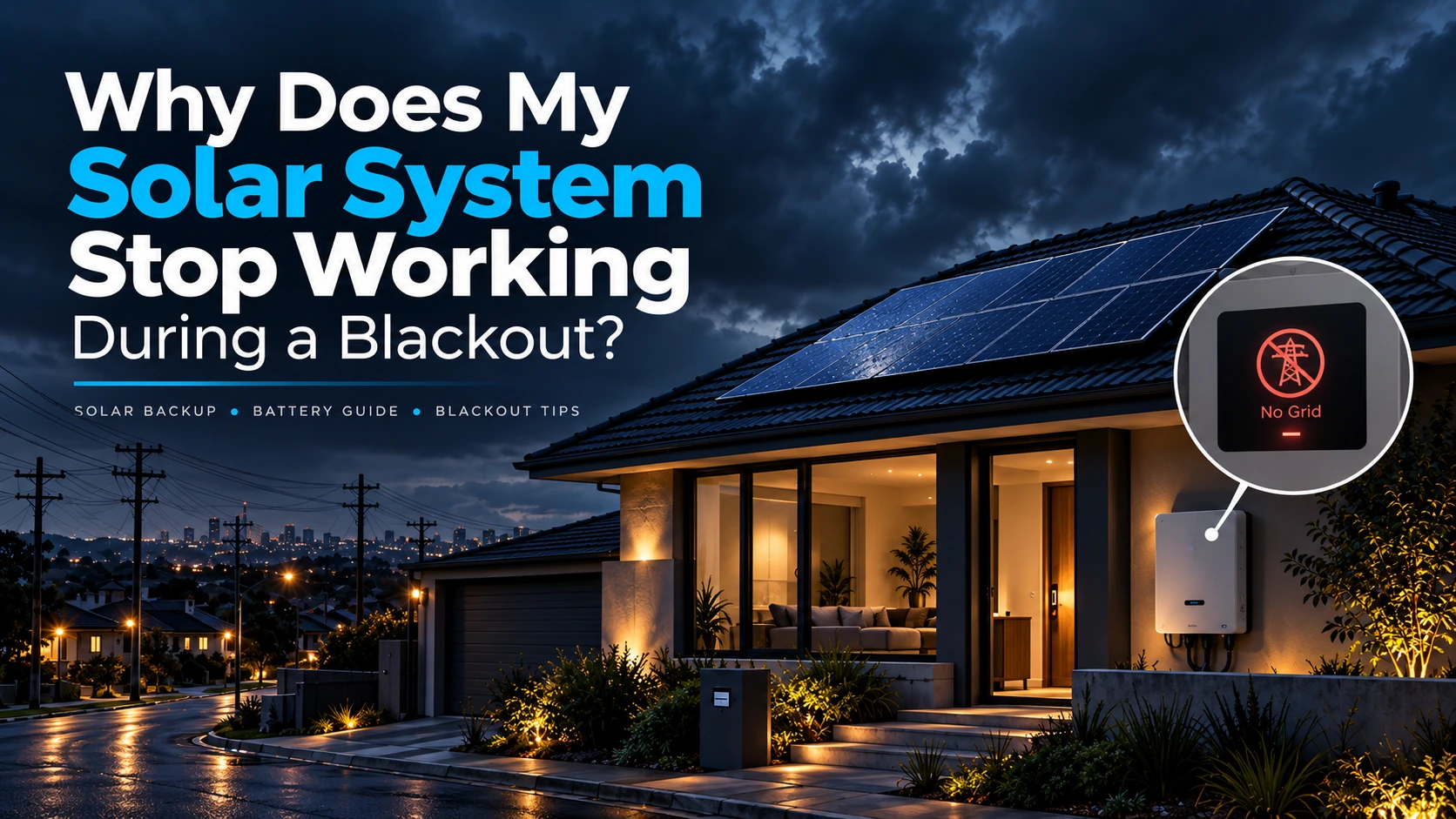
Why Does My Solar System Stop Working During a Blackout?

A blackout can be confusing when you already have solar panels on the roof. The sun may be shining, but your home still loses power. Many homeowners think this means the solar system has a fault. In most cases, it does not. If your solar system stop working during a blackout, it does not always...

solar_vs_battery_home_energy_showdown

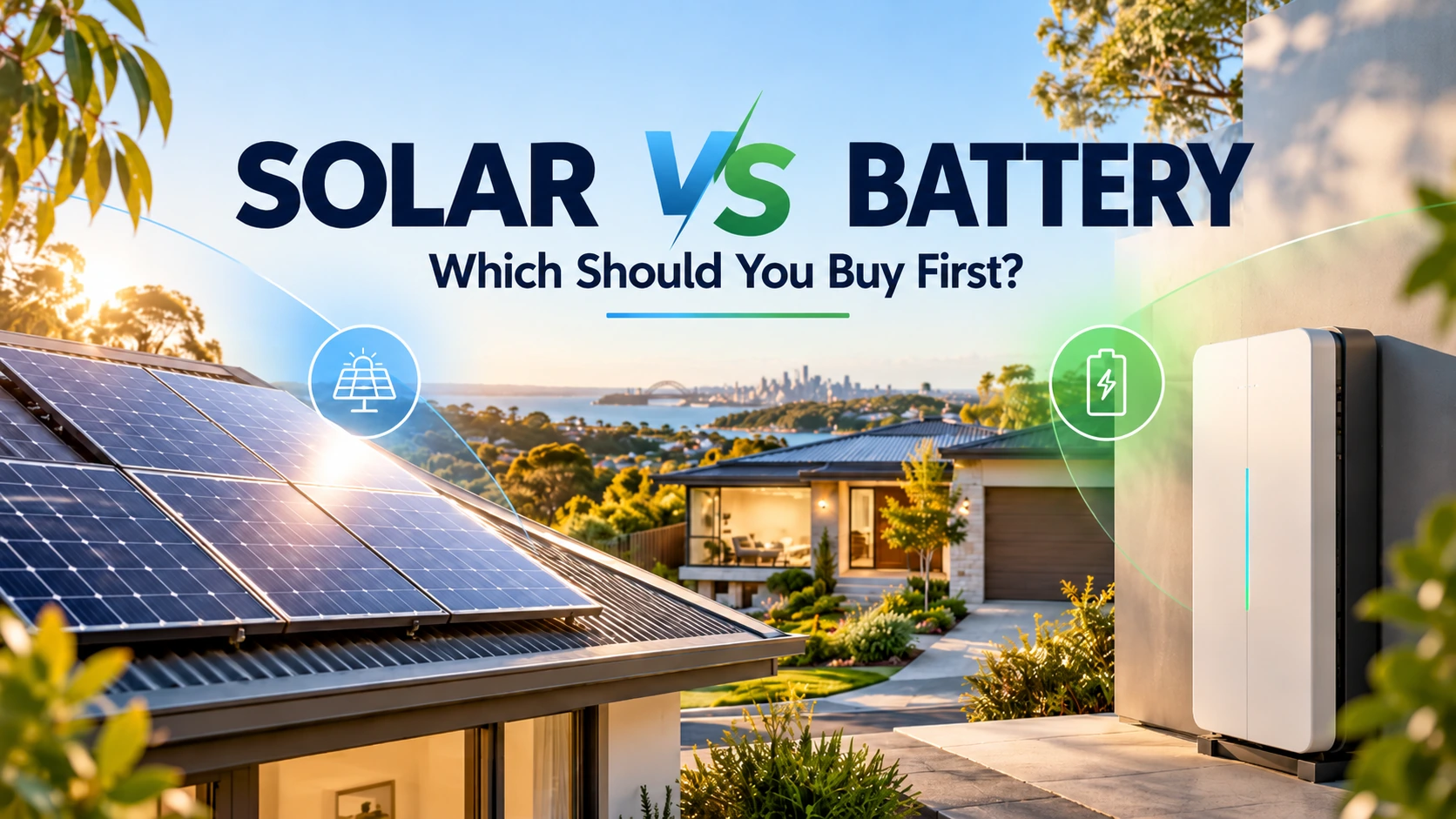
Solar vs Battery: Which Should You Buy First?

If you are trying to lower your electricity bills or depend less on the grid, you may be comparing solar vs battery and wondering which one should come first. The two technologies do different jobs. Solar panels generate electricity during the day, while a solar battery stores energy so you can use it later. For most...

battery-dod

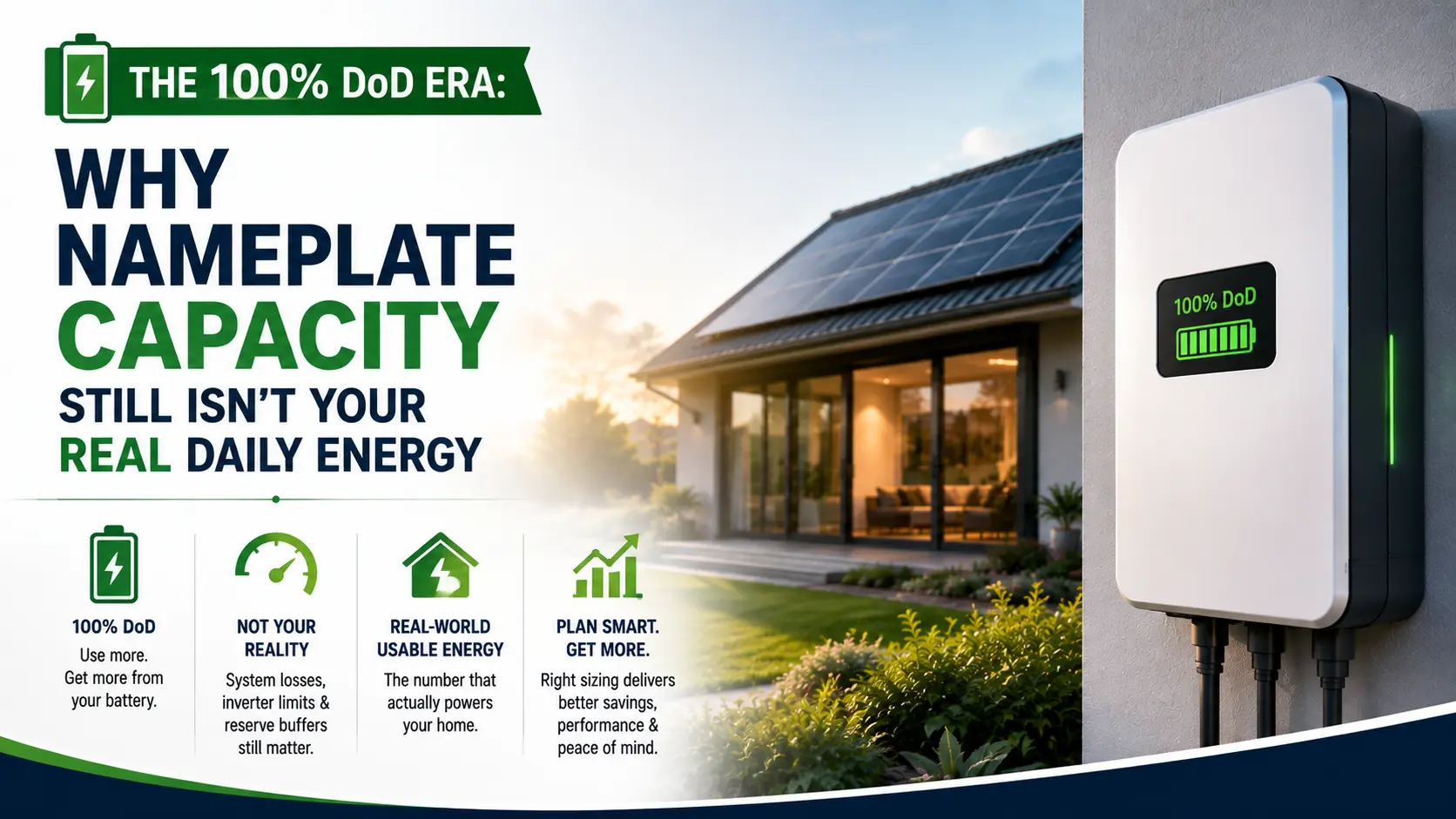
The 100% DoD Era: Why Nameplate Capacity Still Isn't Your Real Daily Energy

When a company sells you a 10 kWh battery, you naturally assume you’ll get 10 kWh out of it most nights. Well, that hadn’t been the case for Australians (and other solar battery users) for the past decade. The older batteries had less than 100% Depth of Discharge (DoD). This meant your battery’s actual daily...

Commercial Battery Storage

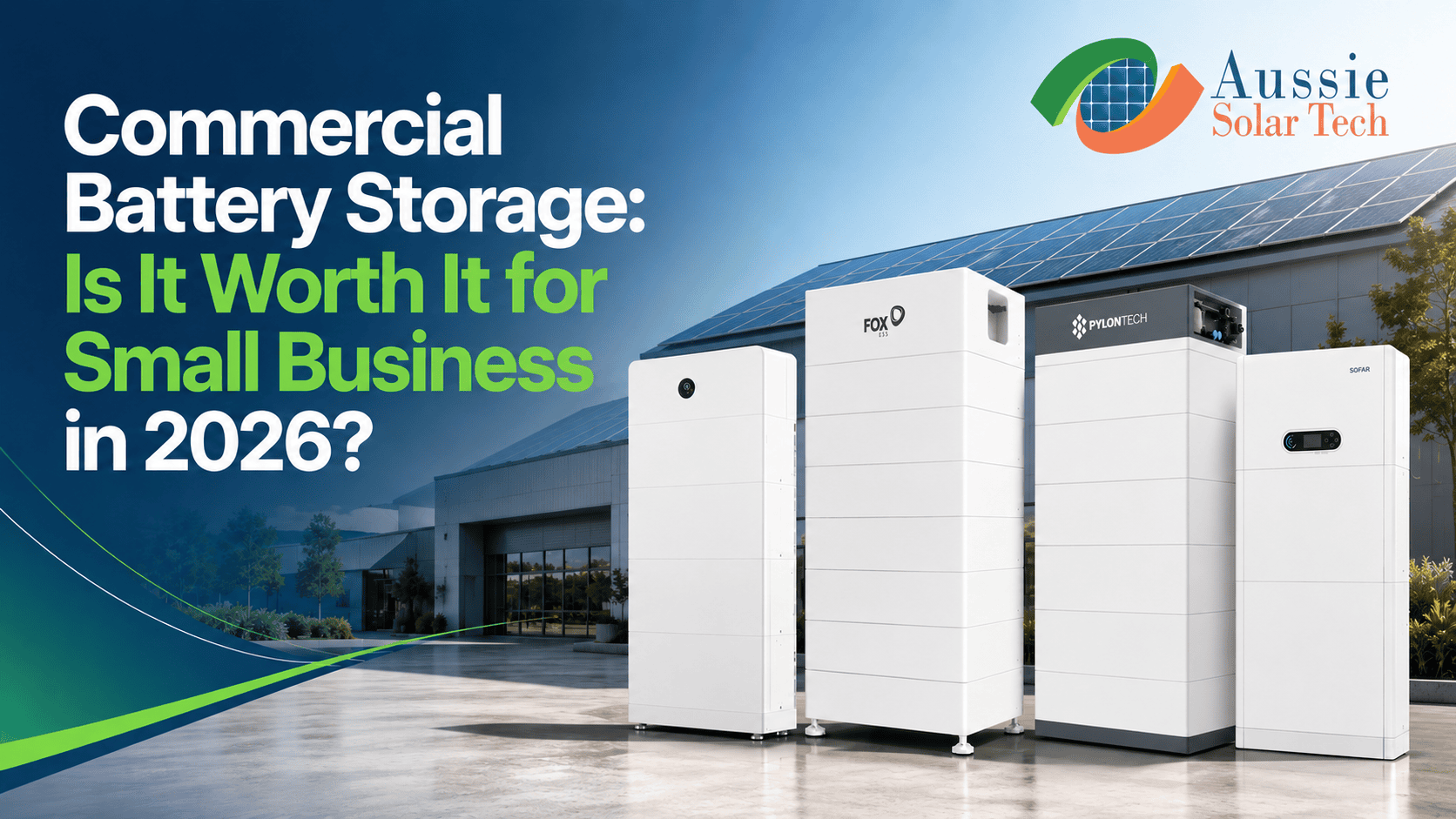
Commercial Battery Storage: Is It Worth It for Small Business in 2026?

Commercial battery storage can help small businesses reduce electricity costs, use more solar energy and manage peak demand. It can also provide backup power when the system is designed for it. In 2026, eligible Australian small businesses may also benefit from federal battery incentives. This guide explains costs, savings, sizing, rebates and ROI to help...

how many kwh battery do you need to go off-grid

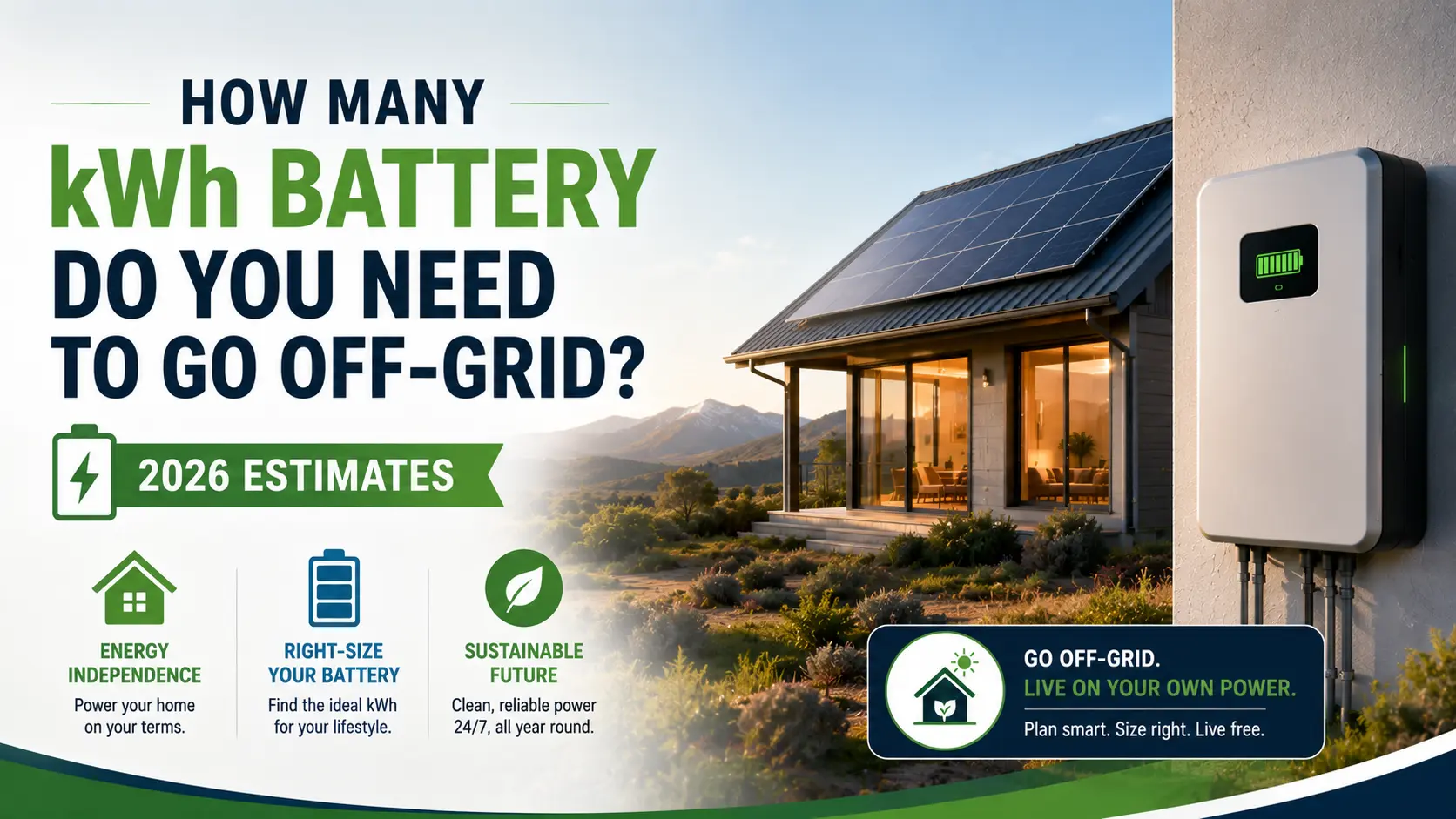
How Many kWh Battery Do You Need to Go Off-Grid? (2026 Estimates)

Search “How Many kWh Battery Do You Need to Go Off-Grid ” and you’ll mostly find advice for people staying connected to the grid — sizing a battery to shave the evening peak off their bill. That’s a different, much simpler problem than the one this article answers. Going genuinely off-grid — disconnecting from mains...

battery lifespan & warranties

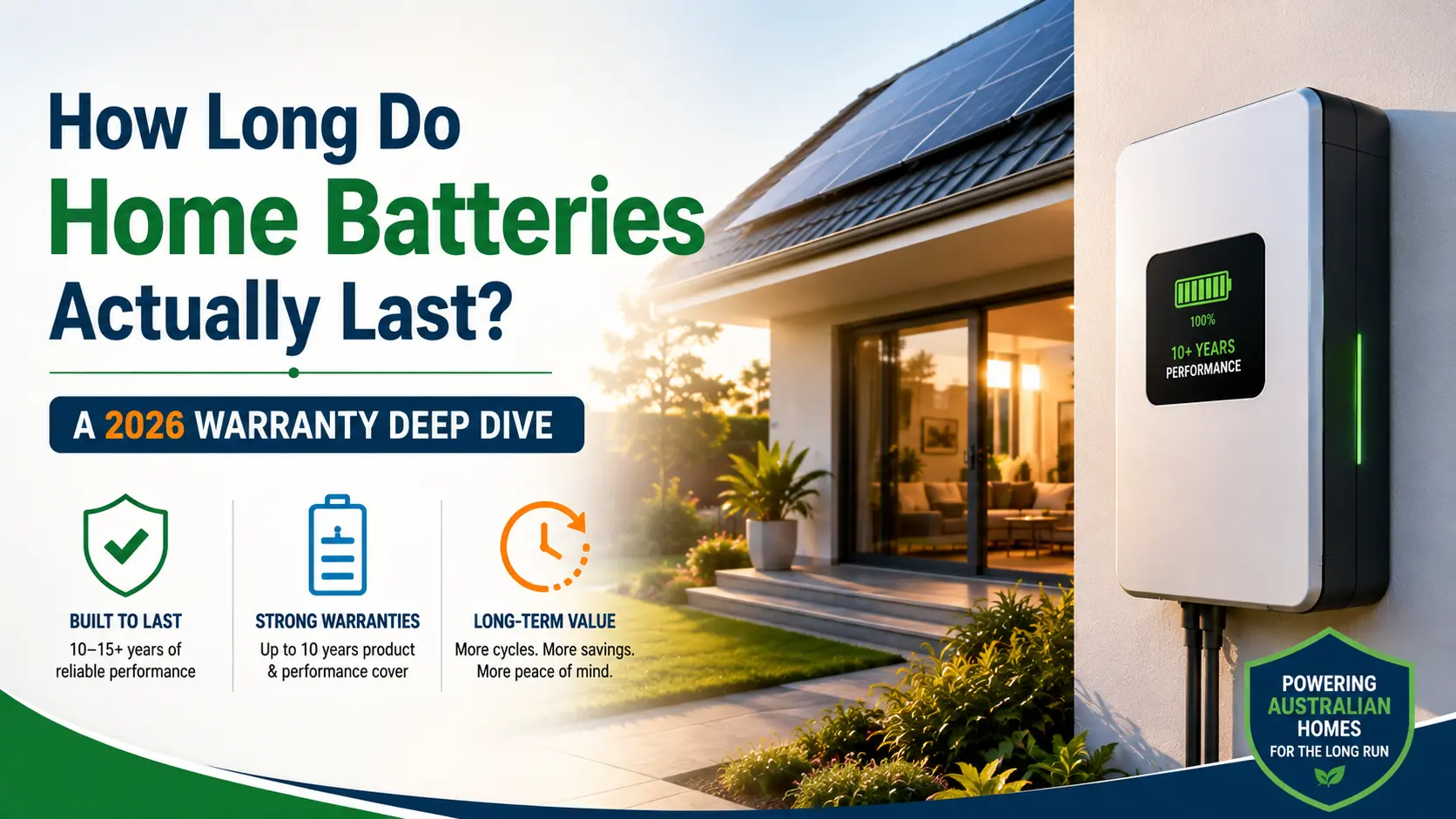
How Long Do Home Batteries Actually Last? A 2026 Warranty Deep Dive

Most Australians in 2026 have a fair idea about battery lifespan & warranties. They would confidently tell you their battery is going to last for 10-15 years. Although the answer is not wrong, most people figure it from the common home battery warranty duration in Australia- which is also 10-15 years. And that can be...

GoodWe ESA Battery Review 2026

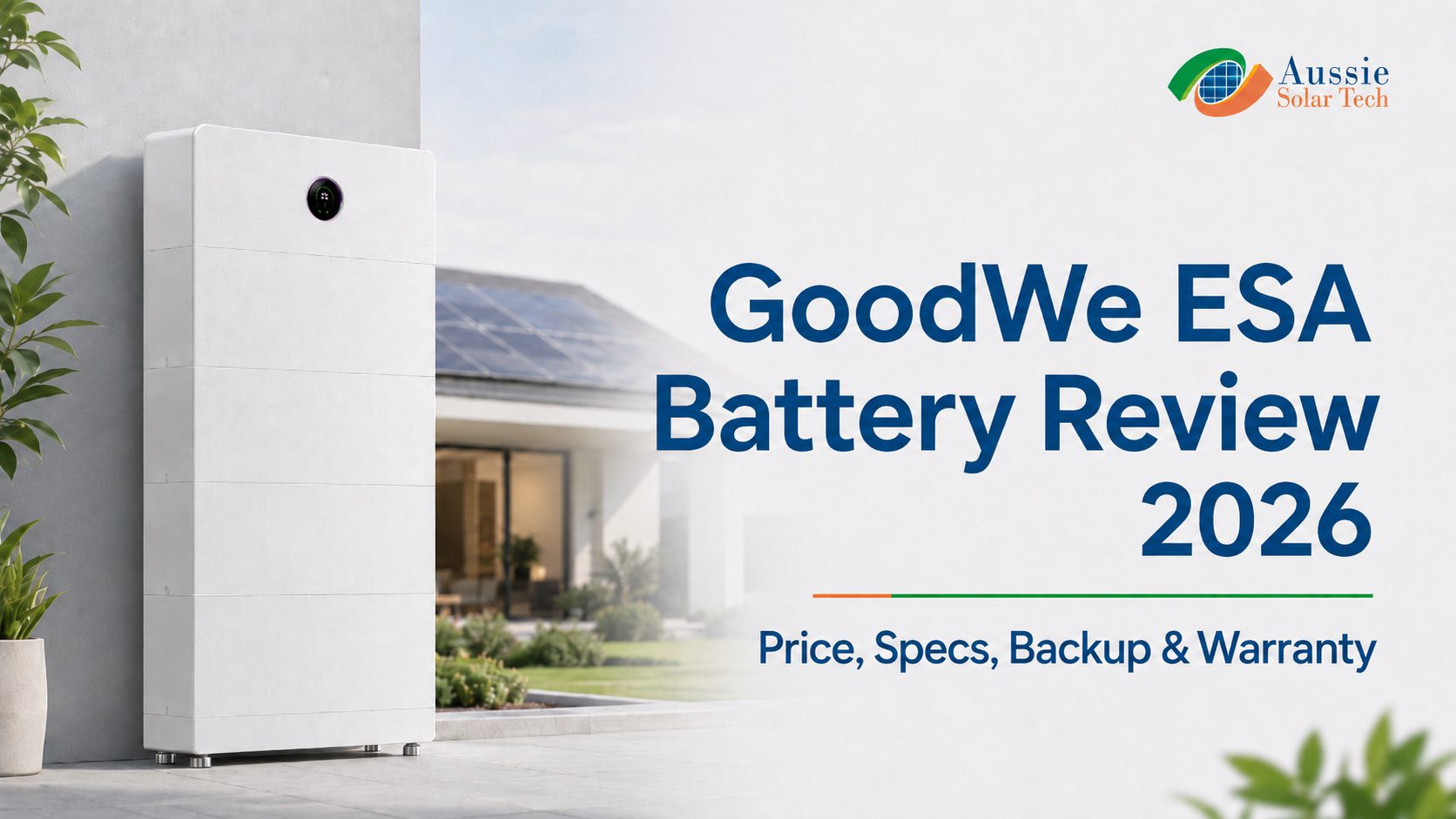
GoodWe ESA Battery Review 2026: Price, Specs, Backup & Warranty

The GoodWe ESA battery is designed as a complete home energy storage system rather than a standalone battery. It combines a hybrid inverter, modular LFP battery storage and energy management in one system, with both single-phase and three-phase options available in Australia. For homeowners considering battery storage in 2026, the ESA stands out for its...

solar battery minimum reserve level

Solar Battery's Minimum Reserve Level: Should You Tamper With It?

Solar home batteries are an increasingly common appliance in Australian households. Understanding it better allows you to plan the battery’s activity around your life instead of planning your life around the battery’s routine. One such important matter is the solar battery’s minimum reserve level. A minimum reserve level is the percentage of its capacity the...

FoxESS-EQ4800-vs-CQ6-vs-CQ7

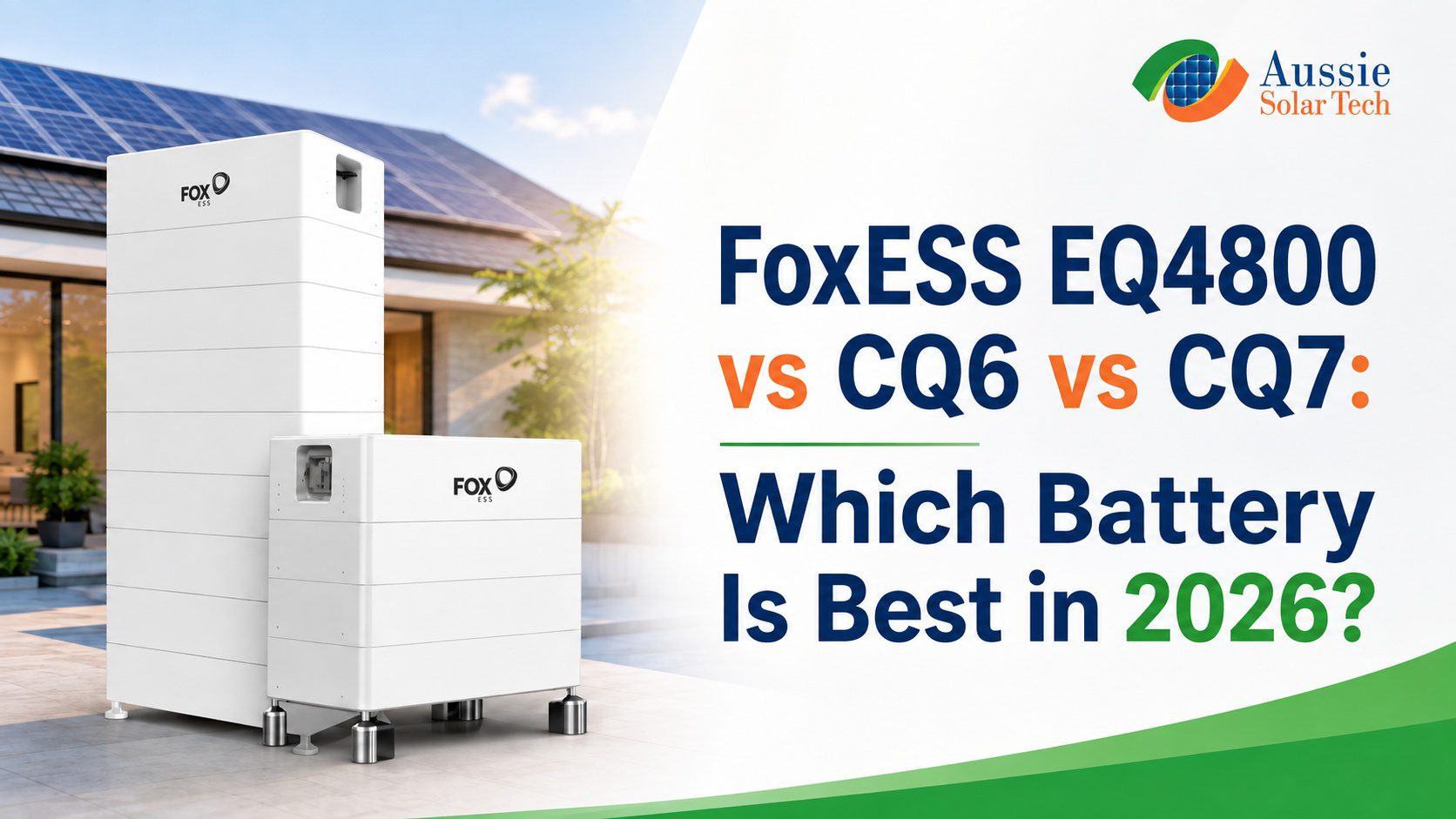
FoxESS EQ4800 vs CQ6 vs CQ7: Which Battery Is Best in 2026?

Choosing between the FoxESS EQ4800, CQ6 and CQ7 can be confusing because all three use modular LFP technology but are designed for different energy needs. They vary in module size, total capacity, power output, installation footprint and warranty. The EQ4800 suits homes needing a smaller starting capacity, the CQ6 offers a balanced mix of storage...

Home Batteries

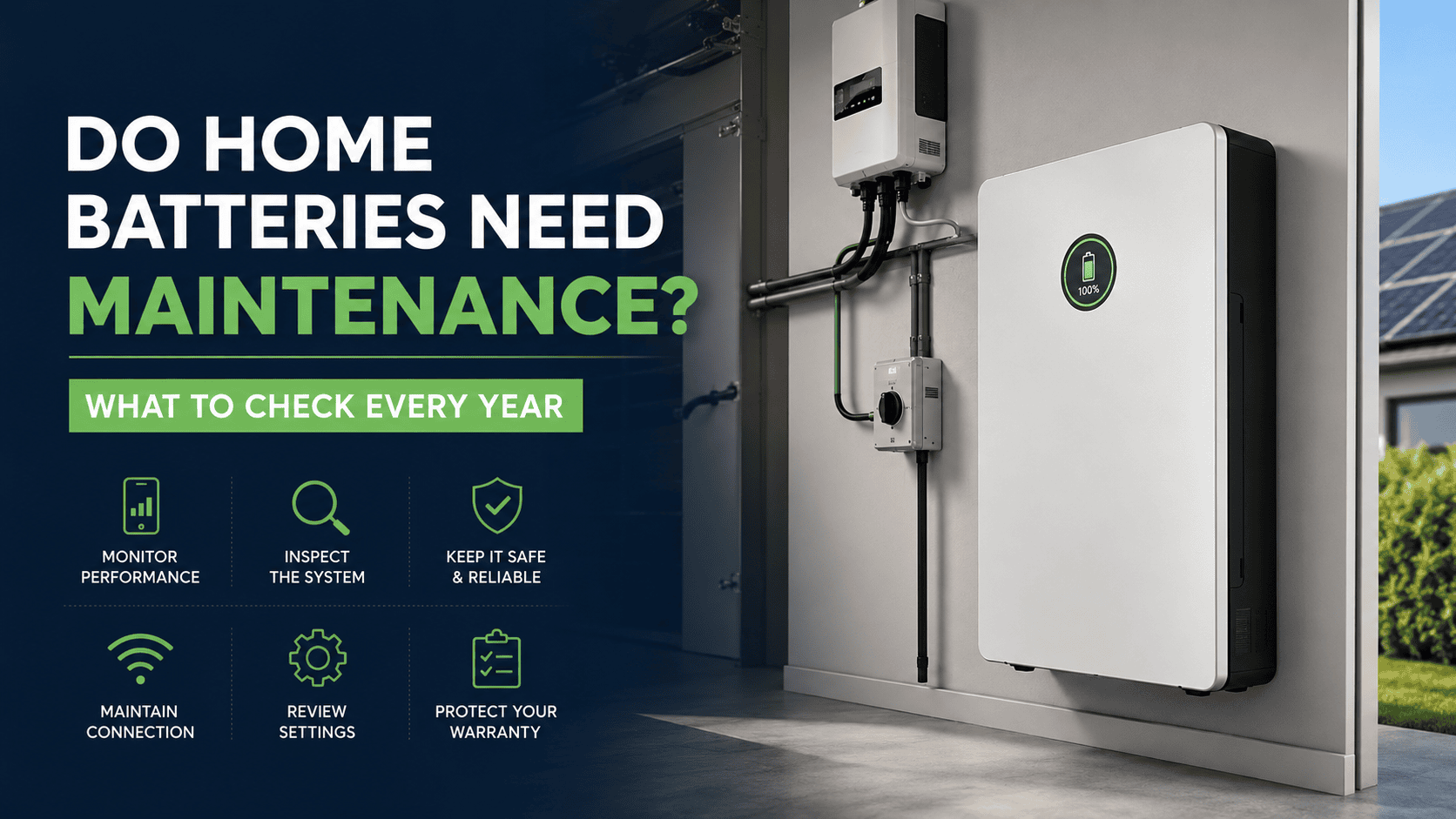
Do Home Batteries Need Maintenance? What to Check Every Year

Home batteries are built to work quietly in the background. They store excess solar energy during the day, supply it when your home needs it and may keep essential appliances running during a blackout. That can make them easy to forget about. But do home batteries need maintenance? Yes—although most modern systems require very little...

GoodWe_Lynx_vs_GoodWe_ESA

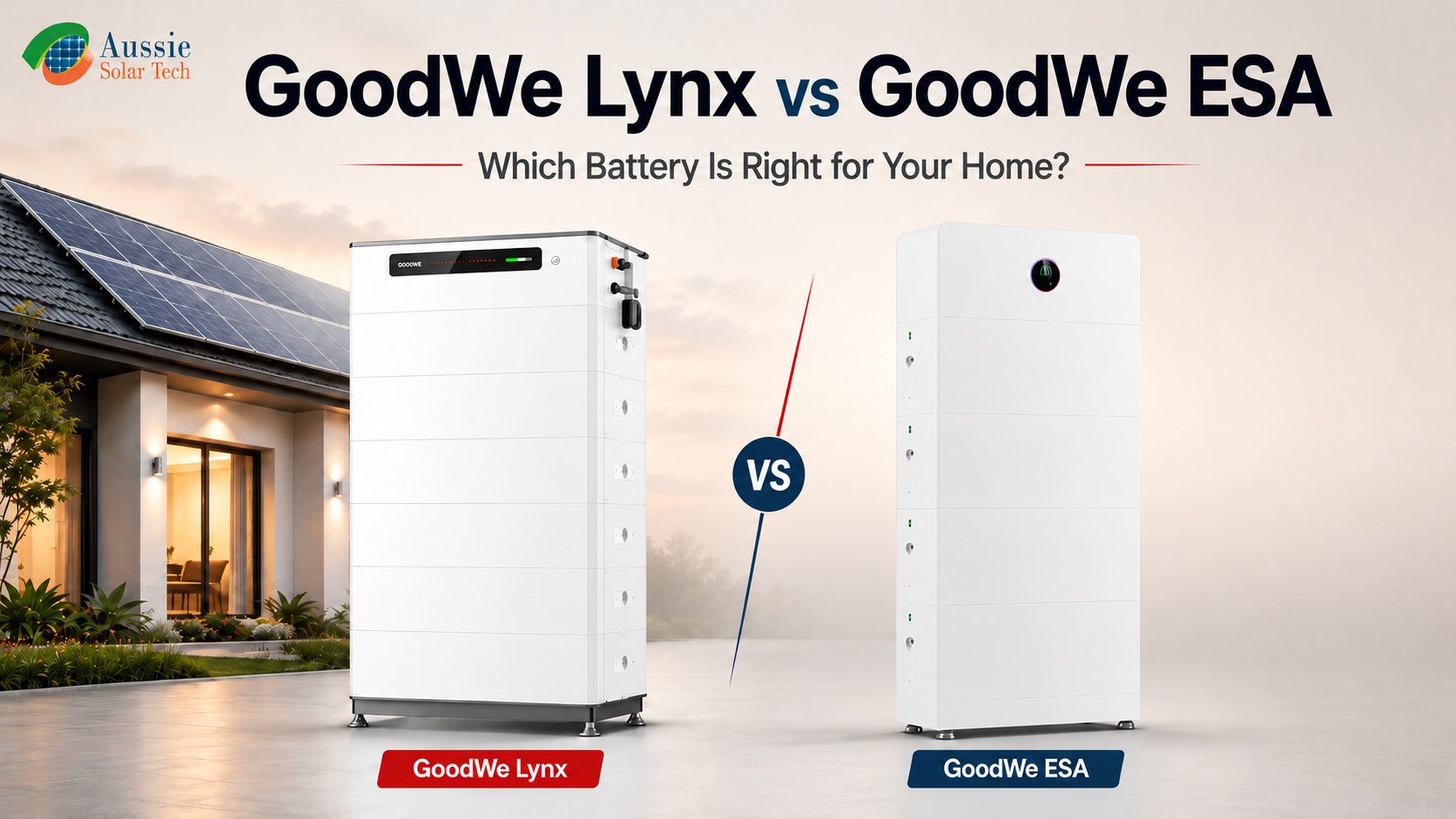
GoodWe Lynx vs GoodWe ESA: Which Battery Is Right for Your Home?

GoodWe Lynx vs GoodWe ESA compares two different GoodWe energy storage approaches for Australian homes. The GoodWe Lynx F G2 is a modular high-voltage battery designed to work with compatible GoodWe hybrid inverters. It suits homeowners who want flexible battery expansion or already use a compatible GoodWe inverter. The GoodWe ESA is an integrated all-in-one...

AI-Powered Home batteries

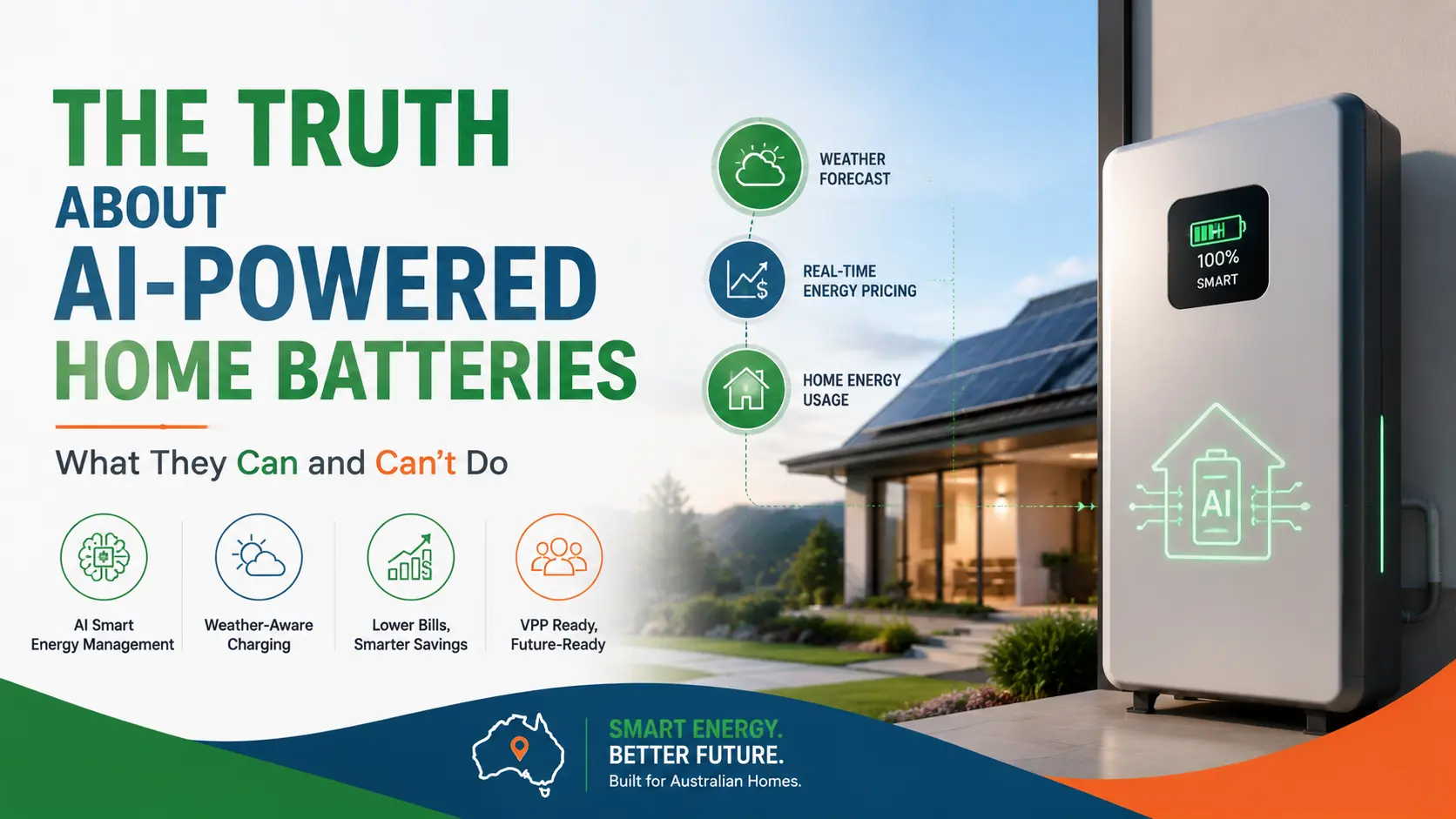
The Truth About AI-Powered Home Batteries In Australia 2026

When most people hear AI, they think of tools like ChatGPT. That’s why many Australians assume an AI-powered home battery can chat with them or perform household tasks. In reality, these systems are designed for something far more practical—they intelligently manage your home’s energy to maximise savings and efficiency. An AI-powered home battery continuously analyses...

Popular Post

Scroll to Top
Aussie Solar Tech Tool

Cheaper Home Batteries Rebate Calculator

Calculate your estimated Australian Federal Battery Discount under the Cheaper Home Batteries scheme instantly.

kWh
Note: Minimum eligible capacity for rebate is 5 kWh. Maximum cap is 50 kWh usable.
Estimated Federal Discount
$3,672 AUD
Total STCs: 91.8 Effective Rate: $272.00 / kWh
Get A Free Battery Quote →
* Calculation based on a fixed STC rate of $40 AUD and the 2026 federal base STC factor of 6.8 per kWh. Rebates apply tapering rules: 100% factor up to 14 kWh, 60% for >14–28 kWh, and 15% for >28–50 kWh usable capacity. Systems under 5 kWh are ineligible.
Play sound

Get A Quote

    Play sound

    Book Service & Supports

      Play sound

      REQUEST A QUOTE